Spring Forward, Heart Backward: The Clock Change Cardiac Crisis Nobody Saw Coming
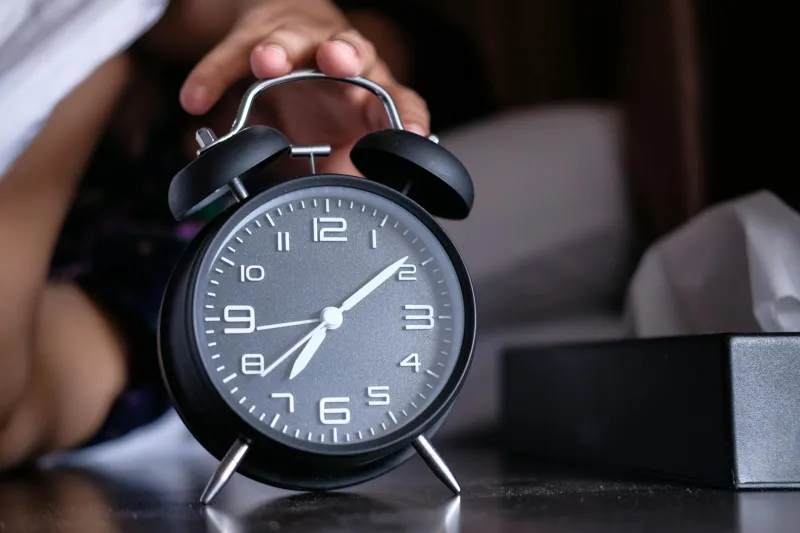
The Hour That Breaks America's Hearts
Twice a year, America performs a strange ritual: We collectively agree to mess with time itself. And twice a year, our hearts pay the price in ways that would shock you.
While you're fumbling with your coffee maker on that disorienting Monday morning after springing forward, emergency rooms across the country are quietly dealing with a predictable surge in cardiac events. It's not coincidence — it's biology gone haywire.
The Data Doesn't Lie
The numbers are as precise as they are disturbing. In the three days following the spring time change, heart attack rates spike by 8%. That might not sound like much until you realize we're talking about thousands of additional cardiac events nationwide, triggered by nothing more than moving a clock hand.
Dr. Amneet Sandhu, a cardiologist at the University of Colorado, has been tracking this phenomenon for years. "The Monday after daylight saving time is consistently our busiest day for heart-related emergencies," she reveals. "It's like clockwork — literally."
 Photo: University of Colorado, via thumbs.dreamstime.com
The fall time change isn't much better, with a 4% increase in cardiac events as bodies struggle to readjust to the artificial shift.
Your Body's Internal Rebellion
Here's what's actually happening inside your chest when we "spring forward": Your circadian rhythm — that internal biological clock that's been fine-tuned over millions of years of evolution — suddenly finds itself an hour out of sync with the rest of the world.
This isn't just about feeling groggy. Your heart has its own circadian rhythm, and when that gets disrupted, a cascade of cardiovascular chaos follows:
Blood Pressure Volatility: Your normal blood pressure patterns get scrambled. Instead of the gentle morning rise your heart expects, you get erratic spikes and dips throughout the day.
Stress Hormone Surge: Cortisol and adrenaline levels shoot up as your body tries to compensate for the lost sleep and disrupted rhythm.
Inflammatory Response: Sleep disruption triggers inflammation in your blood vessels, making them more prone to clots and blockages.
The Technology Connection
Here's where it gets really interesting: Your smartphone and smartwatch are inadvertently documenting this cardiac chaos in real-time. Wearable device data shows measurable changes in heart rate variability in the days following time changes.
Apple Watch data from millions of users reveals that resting heart rates increase by an average of 3-5 beats per minute in the week following daylight saving transitions. That might not sound significant, but for people with existing heart conditions, it can be the difference between a normal day and a medical emergency.
Fitbit's sleep tracking data tells an even more compelling story: Sleep efficiency drops by an average of 10% for the entire week following a time change, and it takes most people 5-7 days to return to baseline sleep patterns.
The Vulnerability Factor
Not everyone is equally at risk during these temporal transitions. The people most likely to experience cardiac events during time changes share specific characteristics:
Age: Adults over 65 are disproportionately affected, with nearly double the risk increase.
Existing Conditions: People with diabetes, high blood pressure, or previous heart disease face significantly higher risks.
Sleep Disorders: If you already have sleep apnea or insomnia, the time change can push your system over the edge.
Shift Workers: Healthcare workers, police officers, and others with irregular schedules are particularly vulnerable because their circadian rhythms are already compromised.
The Doctor's Rebellion
A growing coalition of cardiologists is doing something unprecedented: lobbying Congress. The American Heart Association, along with sleep medicine specialists, is pushing for permanent standard time to eliminate the biannual cardiovascular chaos.
"We're essentially conducting a massive medical experiment on 300 million people twice a year," argues Dr. Sandhu. "And the results are consistently harmful."
The movement has gained surprising momentum. States like Florida and California have already passed legislation to end the time changes, pending federal approval. The EU is phasing out daylight saving time by 2026.
Your Survival Guide for the Time Change
Week Before:
- Start shifting your bedtime by 15 minutes earlier each night
- Use your smartphone's "Sleep Schedule" feature to gradually adjust
- Reduce caffeine intake in the afternoon
The Weekend of Change:
- Prioritize sleep over social obligations
- Avoid alcohol on Saturday night (it disrupts sleep architecture)
- Get morning sunlight exposure to help reset your circadian rhythm
The Week After:
- Monitor your blood pressure if you have hypertension
- Pay attention to unusual fatigue or chest discomfort
- Use your smartwatch data to track recovery
The Technology Solution
Some innovative approaches are emerging from the tech world. Apps like "Timeshifter" help gradually adjust your circadian rhythm in the days leading up to time changes. Smart home systems can slowly adjust lighting patterns to ease the transition.
Even better: Some hospitals are now using wearable device data to identify patients at higher risk during time change periods, reaching out proactively to vulnerable individuals.
The International Perspective
Most of the world has already figured this out. Russia permanently ended daylight saving time in 2014 after noting increased heart attack rates during transitions. China uses a single time zone across its entire massive territory. Most of Africa and Asia never adopted the practice.
America is increasingly isolated in its commitment to this twice-yearly cardiovascular stress test.
When to Be Extra Vigilant
In the week following any time change, contact your doctor if you experience:
- Unusual chest pain or pressure
- Severe fatigue that doesn't improve with rest
- Irregular heartbeat or palpitations
- Blood pressure readings outside your normal range
- Difficulty sleeping that persists beyond three days
Your smartwatch might actually be your best early warning system. Pay attention to notifications about irregular heart rhythms or significant changes in your resting heart rate.
The Future of Time and Health
As more data emerges about the cardiovascular costs of daylight saving time, the pressure to end this practice is mounting. The question isn't whether we'll eventually stop messing with our clocks — it's how many more heart attacks we'll cause before we do.
Until then, treat time changes like the medical events they actually are. Your heart doesn't care about energy savings or golf schedules. It just wants consistency, and when we rob it of that twice a year, it responds the only way it knows how: with rebellion.
The next time you're cursing that lost hour of sleep, remember: your heart is cursing it too, and it has a much more dangerous way of expressing its displeasure.