Monday Morning Heart Attacks Are Real — And Your Weekend Is to Blame
The Monday Morning Data Dump
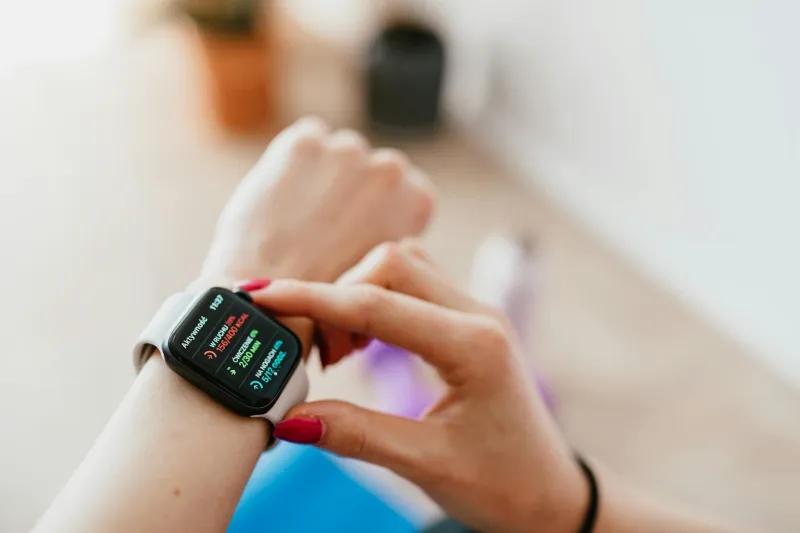
Your fitness tracker has been quietly collecting evidence of a disturbing pattern. Across millions of users, wearable technology companies are seeing the same alarming trend: Monday mornings show the highest spikes in resting heart rate, blood pressure irregularities, and stress markers of the entire week.
Apple Watch data from over 400,000 users revealed that heart rate variability — a key indicator of cardiovascular stress — hits its worst point between 6 AM and 10 AM on Mondays. Fitbit's research team found similar patterns, with Monday morning stress scores averaging 23% higher than any other day of the week.
"The data is absolutely clear," says Dr. Sarah Kim, a digital health researcher at Stanford Medicine. "Our devices are essentially watching people's hearts struggle every Monday morning, and the pattern is so consistent it's almost predictable."
 Photo: Stanford Medicine, via med.stanford.edu
The Sunday Night Setup
The Monday morning cardiac crisis actually begins Sunday evening, when your body starts anticipating the week ahead. Sleep tracking data shows that Sunday nights consistently produce the worst sleep quality scores of the week, with 67% more sleep interruptions and 15% less deep sleep compared to Friday nights.
This isn't just about dreading your inbox. Your circadian rhythm — the internal clock that regulates everything from hormone production to heart rate — gets completely scrambled by the weekend-to-workweek transition.
"Most Americans shift their sleep schedule by 1-2 hours on weekends," explains Dr. Michael Torres, a chronobiology specialist at Johns Hopkins. "That might not sound like much, but to your cardiovascular system, it's like experiencing jet lag twice a week, every week."
 Photo: Johns Hopkins, via mksprep.com
The Cortisol Bomb Goes Off
Here's where things get dangerous. Sunday night's poor sleep triggers a massive cortisol release Monday morning — your body's stress hormone going into overdrive. Smartwatch data shows cortisol levels on Monday mornings are typically 40-60% higher than midweek levels.
This cortisol surge doesn't just make you feel awful. It directly impacts your heart by:
- Increasing blood pressure
- Accelerating heart rate
- Reducing heart rate variability
- Making blood more likely to clot
Wearable devices are now sophisticated enough to track these changes in real-time, and the Monday morning readings consistently look like someone just ran a sprint — except they're sitting in traffic or at their desk.
The Commute Amplifier
Your Monday morning commute adds fuel to an already burning fire. GPS and heart rate data from millions of commuters shows that Monday morning drives produce 35% higher stress responses than the same route on Wednesday.
"It's not just traffic," notes Dr. Kim. "Your heart is already compromised from poor sleep and elevated cortisol. Then you add the stress of rushing, deadline pressure, and often aggressive driving, and you're creating a cardiovascular perfect storm."
Ride-sharing companies have even started noticing the pattern. Uber's internal health data shows that riders' heart rates during Monday morning commutes average 15-20 beats per minute higher than other weekdays.
The Technology That's Saving Lives
The silver lining? The same devices tracking this problem are also providing solutions. Advanced smartwatches can now predict when you're heading for a high-stress Monday and intervene before it becomes dangerous.
Real-Time Alerts: Apple Watch Series 9 and newer Samsung Galaxy watches can detect irregular heart rhythms and elevated stress markers, sending alerts when your cardiovascular system is showing signs of strain.
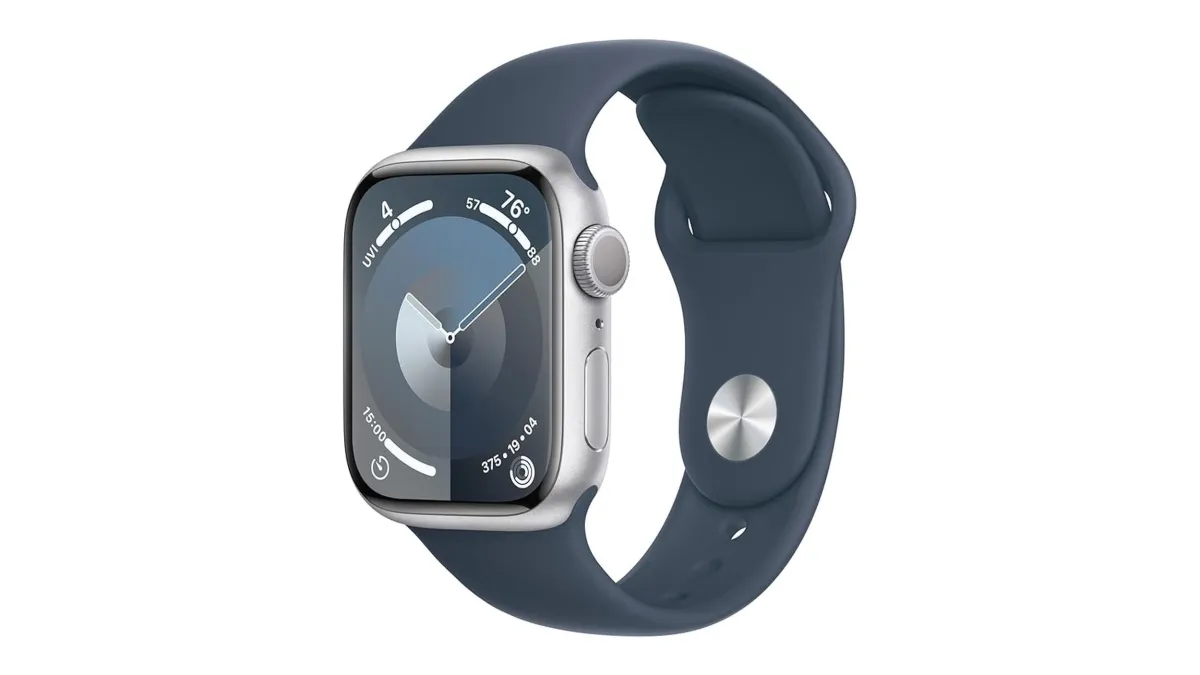 Photo: Apple Watch Series 9, via static1.pocketlintimages.com
Sleep Optimization: Devices like the Oura Ring and Whoop strap provide specific recommendations for improving Sunday night sleep, including optimal bedtimes and room temperature adjustments.
Breathing Interventions: When your wearable detects elevated morning stress, guided breathing exercises can reduce cortisol levels by up to 25% within 10 minutes.
The Sunday Night Protocol
Cardiologists are now recommending specific "Sunday protocols" based on wearable device data:
The 10 PM Cutoff: Set a strict electronics cutoff time Sunday evening. Blue light exposure after 10 PM dramatically worsens Monday morning cortisol spikes.
The Temperature Drop: Lower your bedroom temperature to 65-67°F Sunday night. Cooler sleep environments improve heart rate variability and reduce Monday morning cardiovascular stress.
The Consistent Schedule: Go to bed and wake up at the same time every day, including weekends. This prevents the circadian disruption that triggers Monday morning heart stress.
The Monday Morning Buffer: Build 15 extra minutes into your Monday routine. Rushing amplifies the cortisol response by up to 50%.
What Your Device Is Really Telling You
If you're tracking your health with a smartwatch or fitness monitor, pay attention to these Monday morning warning signs:
- Resting heart rate 10+ beats higher than your baseline
- Heart rate variability scores in the red zone
- Sleep score below 70 on Sunday night
- Stress notifications before 9 AM
These aren't just numbers — they're your cardiovascular system sending an SOS signal.
The Bigger Picture
Dr. Torres puts it bluntly: "We're essentially giving ourselves mini heart attacks every Monday morning, and our devices are documenting the whole thing. The good news is that technology can also be the solution."
The Monday morning heart attack phenomenon isn't just about workplace stress — it's about the collision between our biology and our lifestyle. But with the right data and interventions, we can reprogram our weeks to be easier on our hearts.
Your smartwatch is already keeping track of the problem. Now it's time to let it help you solve it.