Binge and Purge Your Heart Rate: What Netflix Marathons Are Actually Doing to Your Cardiovascular System
The Couch Potato Paradox: When Sitting Still Becomes Cardio
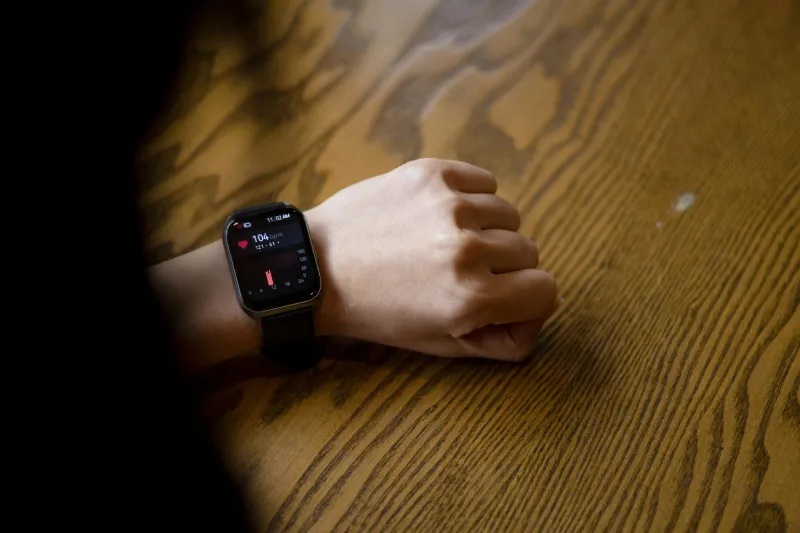
Your Apple Watch thinks you're having a panic attack, but you're just three episodes deep into a murder mystery series, heart racing as the detective closes in on the killer. Sound familiar? You're not alone, and you're definitely not crazy. Researchers at Stanford's Digital Health Lab have been quietly tracking what happens to our cardiovascular systems during binge-watching sessions, and the results are more intense than the season finale you stayed up until 3 AM to finish.
Using continuous heart rate monitors and stress hormone tracking, scientists followed 1,800 streaming enthusiasts through their nightly viewing habits for eight weeks. What they discovered was a previously unrecognized form of cardiovascular stress that's becoming as common as the streaming services causing it.
The Emotional Whiplash Effect: How Plot Twists Hit Your Heart
When you transition from a heartwarming rom-com to a psychological thriller within the same evening — something 73% of study participants did regularly — your cardiovascular system experiences what researchers are calling "emotional whiplash." Your heart rate, blood pressure, and stress hormone levels swing dramatically as your nervous system tries to keep up with the emotional demands of rapidly changing content.
"We're seeing heart rate patterns that look like interval training," explains Dr. Amanda Chen, who led the Stanford study. "Except instead of running sprints, people are sitting on their couches experiencing manufactured emotional intensity designed to keep them watching."
 Photo: Dr. Amanda Chen, via sacchildrensdentist.com
The most dramatic responses occurred during true crime documentaries and thriller series, where participants' heart rates spiked to levels typically seen during moderate exercise — sometimes reaching 120-140 beats per minute while completely sedentary. But here's the kicker: unlike actual exercise, this elevated heart rate came without any of the beneficial adaptations that physical activity provides.
The Algorithm's Cardiovascular Agenda: How Streaming Services Hack Your Heart
Streaming platforms have perfected the art of emotional manipulation, using sophisticated algorithms to serve up content designed to trigger specific neurochemical responses. What they didn't anticipate (or perhaps didn't care about) was how this emotional engineering would affect viewers' cardiovascular health.
The study found that auto-play features and "because you watched" recommendations create sustained periods of elevated stress hormones that can last for hours after viewing. Participants who watched algorithmically-curated content showed higher cortisol levels and reduced heart rate variability compared to those who manually selected their entertainment.
"The platforms are essentially training our nervous systems to crave emotional intensity," says Dr. Chen. "Each cliffhanger, each plot twist, each moment of suspense triggers a dopamine release that keeps us watching, but it also keeps our cardiovascular systems in a state of chronic low-level arousal."
The Binge Biology: What Happens During a 6-Hour Streaming Session
When researchers tracked participants through extended viewing sessions, they discovered a predictable pattern of cardiovascular stress that intensifies over time. The first hour typically shows normal responses to emotional content, but something changes as the session extends.
By hour three, participants showed signs of what researchers termed "emotional exhaustion" — their heart rate variability decreased significantly, suggesting their nervous systems were becoming overwhelmed by the constant stream of manufactured emotions. By hour six, many participants showed stress hormone levels comparable to those experiencing work-related burnout.
The most concerning finding was that these elevated stress markers persisted into sleep. Participants who binged emotionally intense content showed disrupted sleep patterns, with their heart rates remaining elevated during what should have been restorative rest periods.
Genre-Specific Heart Patterns: Not All Content Is Created Equal
Different types of content create distinct cardiovascular signatures, and understanding these patterns can help viewers make more heart-conscious choices about their entertainment diet.
True Crime and Thrillers: Create the most dramatic heart rate spikes and sustained stress hormone elevation. Participants watching these genres showed cardiovascular responses similar to experiencing actual threatening situations.
Reality TV and Competition Shows: Trigger frequent but shorter stress responses, creating a "cardiovascular popcorn" effect where heart rate spikes repeatedly throughout viewing.
Romantic Comedies and Feel-Good Content: Generally promote heart rate variability and lower stress hormones, with the notable exception of relationship drama that hits too close to home.
Nature Documentaries: Showed the most beneficial cardiovascular effects, actually improving heart rate variability and promoting relaxation responses.
News and Political Content: Created sustained stress responses that often persisted long after viewing, with participants showing elevated cortisol levels the following morning.
The Social Streaming Factor: How Watching Together Changes Your Heart
One of the study's most interesting findings was how social viewing dramatically altered cardiovascular responses. Participants watching with friends or family showed more controlled stress responses and better recovery between intense scenes, suggesting that social connection provides a buffer against entertainment-induced stress.
Conversely, participants who frequently watched alone showed more extreme cardiovascular responses and took longer to return to baseline after emotionally intense content. This finding suggests that our increasingly isolated viewing habits may be amplifying the negative cardiovascular effects of modern entertainment.
The Second Screen Syndrome: How Your Phone Is Making It Worse
Participants who used their phones while streaming showed consistently higher stress markers than those who watched without digital distractions. The constant switching between the emotional content on screen and the social stimulation of their devices created what researchers called "attention fragmentation stress."
"When you're trying to follow a complex plot while also scrolling through Instagram, your nervous system is essentially multitasking emotions," explains Dr. Chen. "This creates a sustained state of cognitive and cardiovascular arousal that's particularly taxing on the heart."
Your Heart-Healthy Streaming Strategy: The Science of Mindful Watching
Based on the research findings, here's how to enjoy your favorite shows without putting your cardiovascular system through unnecessary stress:
Practice Content Curation: Instead of letting algorithms choose your emotional journey, deliberately select content based on your current stress levels and the time of day. Save intense thrillers for when your nervous system can handle the excitement, not right before bed.
Implement Viewing Breaks: Take a 10-minute break every hour during binge sessions. Use this time for deep breathing exercises or light stretching to help your cardiovascular system reset.
Create Buffer Zones: Watch lighter content for 30 minutes before bed to help your heart rate and stress hormones return to baseline before sleep.
Monitor Your Body's Responses: Pay attention to how different genres affect your heart rate, sleep quality, and stress levels. Your cardiovascular system will tell you what it can handle if you listen.
Choose Social Viewing: Watch emotionally intense content with others when possible. The social support provides natural stress buffering that protects your heart.
The Future of Heart-Conscious Entertainment
Some forward-thinking content creators and platforms are beginning to consider the cardiovascular impact of their programming. Experimental features like "emotional intensity ratings" and "heart rate recovery recommendations" are being tested, though widespread adoption remains years away.
Until then, the responsibility falls on us as viewers to understand that our entertainment choices have real physiological consequences. Your heart doesn't know the difference between real danger and a fictional serial killer — it just knows something intense is happening and responds accordingly.
The goal isn't to eliminate emotional content from your viewing diet, but to consume it mindfully, understanding that every plot twist and cliffhanger is creating a measurable response in your cardiovascular system. Your heart has been along for every binge-watching session, experiencing every manufactured emotion right alongside you. Maybe it's time to start choosing your next episode with your cardiac health in mind, not just your entertainment cravings.