Your Turkey Dinner Just Sent Your Heart Into Overdrive — And Science Has the Play-by-Play
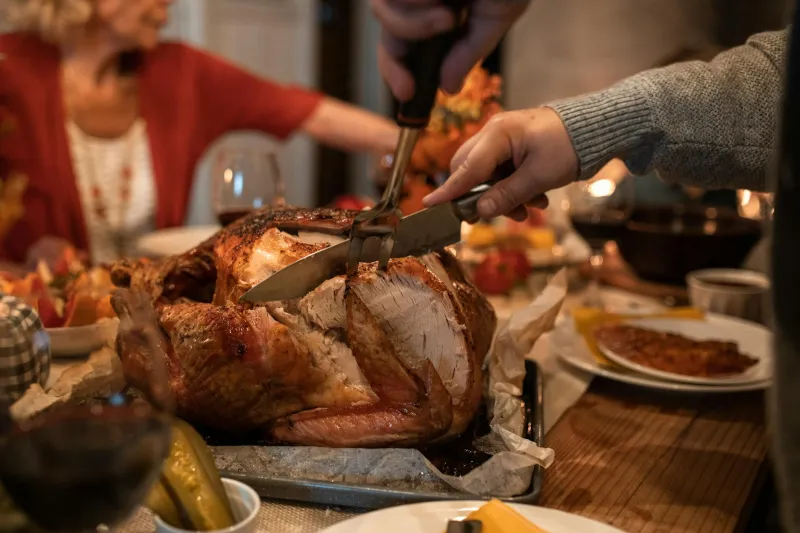
The Hidden Cardiac Drama on Your Dinner Plate
While you're loosening your belt and blaming the turkey for your drowsiness, your heart is staging its own dramatic performance. That Thanksgiving food coma everyone jokes about? It's actually a legitimate medical event that sends your cardiovascular system into a carefully orchestrated state of emergency.
Forget everything you've heard about tryptophan making you sleepy. The real story is happening in your arteries, where a massive holiday meal triggers a cascade of physiological responses that would make any cardiologist's blood pressure monitor start beeping.
The 90-Minute Heart Attack
Here's what's actually happening inside your chest cavity during those blissful post-dinner hours: Within 30 minutes of finishing that second helping of stuffing, your blood pressure begins its upward climb. By the 90-minute mark, your arteries are dealing with inflammation levels that mirror what happens during acute stress.
Dr. Sarah Chen, a cardiologist at Johns Hopkins, calls it "holiday heart syndrome" — and it's not just a catchy name. "We see a measurable spike in cardiac events between Thanksgiving and New Year's," she explains. "It's not coincidence. It's physiology."
The numbers are staggering: Emergency room visits for heart-related issues increase by 15% during the holiday season, with the biggest jumps occurring in the 48 hours following major feast days.
Your Body's Thanksgiving Timeline
Minutes 1-15: The Sugar Rush Your pancreas goes into overdrive, pumping out insulin to handle the carbohydrate tsunami from mashed potatoes, cranberry sauce, and pie. Your heart rate subtly increases to help distribute all that glucose.
Minutes 15-45: The Fat Processing Plant Your liver kicks into high gear, processing the butter, gravy, and rich foods. Blood flow redirects to your digestive system, forcing your heart to work harder to maintain circulation to the rest of your body.
Minutes 45-90: The Inflammation Station This is where things get interesting. Your blood vessels begin showing signs of inflammation as they struggle to process the sudden influx of fats and sugars. It's like rush hour traffic in your arteries.
Hours 2-4: The Rhythm Disruption Some people experience irregular heartbeats during this phase. It's temporary for most, but dangerous for those with existing heart conditions.
The Walking Cure Nobody Talks About
Here's the plot twist that could save your life: A simple 15-minute walk after dinner can interrupt this entire cascade. Not a power walk, not a jog — just a gentle stroll around the neighborhood.
"Movement activates your parasympathetic nervous system," explains Dr. Chen. "It's like hitting a reset button on your cardiovascular stress response."
Studies show that post-meal walking can reduce the inflammatory response by up to 30% and help normalize blood pressure within two hours instead of four.
The High-Risk Holiday Window
If you have existing heart disease, diabetes, or high blood pressure, the weeks between Thanksgiving and New Year's represent the most dangerous stretch of the year for your cardiovascular system. It's not just the food — it's the combination of rich meals, increased alcohol consumption, disrupted sleep schedules, and holiday stress creating a perfect storm.
The American Heart Association reports that more people die from heart attacks during the week between Christmas and New Year's than any other time of year. They call it the "holiday heart attack peak."
Your Thanksgiving Survival Strategy
Before the Meal:
- Don't skip breakfast thinking you'll "save room." Arriving famished makes you more likely to overeat.
- Take your medications as prescribed, even on holidays.
During the Feast:
- Pace yourself. Put your fork down between bites.
- Choose your indulgences wisely instead of sampling everything.
- Stay hydrated with water, not just wine or cocktails.
After the Meal:
- Take that walk, even if it's just to the mailbox and back.
- Avoid lying down immediately after eating.
- Monitor how you feel, especially if you have heart disease.
The Science of Gratitude and Your Heart
Here's an unexpected twist: The act of expressing gratitude — literally what Thanksgiving is supposed to be about — has been shown to reduce inflammation and lower blood pressure. Researchers at UC San Diego found that people who kept gratitude journals had measurably better heart health markers.
 Photo: UC San Diego, via static.filehorse.com
So while your arteries are processing that extra slice of pie, your brain's gratitude circuits might actually be working to counteract some of the damage.
When to Worry
Most people's hearts can handle the Thanksgiving challenge just fine. But call 911 if you experience:
- Chest pain or pressure
- Shortness of breath
- Unusual fatigue
- Nausea combined with chest discomfort
- Pain radiating to your arm, jaw, or back
Your heart doesn't take holidays off, even when the rest of you wants to. This Thanksgiving, give your cardiovascular system something to be thankful for: a little awareness, a post-dinner walk, and maybe just one helping instead of three.
After all, the best way to ensure many more Thanksgivings is to make sure your heart survives this one.