Happy Birthday — Now Watch Your Heart: The Surprising Science of Birthday Cardiac Risk
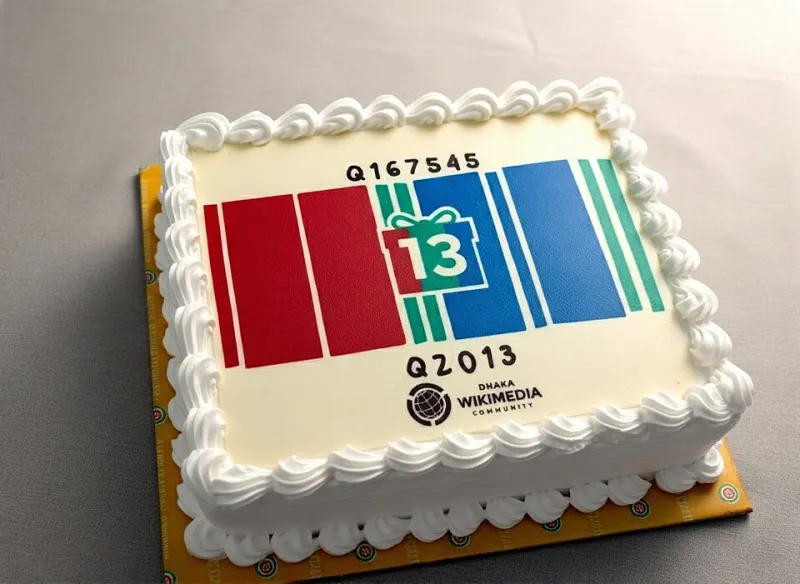
Photo: MdsShakil, CC BY-SA 4.0, via Wikimedia Commons
Blowing out the candles, cracking open a bottle of something bubbly, eating cake for breakfast because hey, it's your day — birthdays are supposed to be pure celebration. And they are. But buried inside all that joy is a statistic that tends to catch people off guard: research suggests that the risk of a fatal cardiac event is measurably elevated on a person's own birthday.
Yep. Your special day might also be your heart's least favorite day of the year.
The Data That Will Make You Rethink Your Party Plans
A landmark study published in the journal Annals of Epidemiology analyzed death records from Switzerland over a 40-year period and found a statistically significant spike in cardiovascular mortality on individuals' birthdays. The effect was most pronounced in people over 60, and it was particularly notable for strokes and heart attacks.
 Photo: Annals of Epidemiology, via d13i5xhouzkrd.cloudfront.net
A separate analysis of over two million death records in the United States found a similar pattern — people are more likely to die on their birthday than on any other single day of the year. Heart disease and stroke accounted for a substantial portion of those deaths.
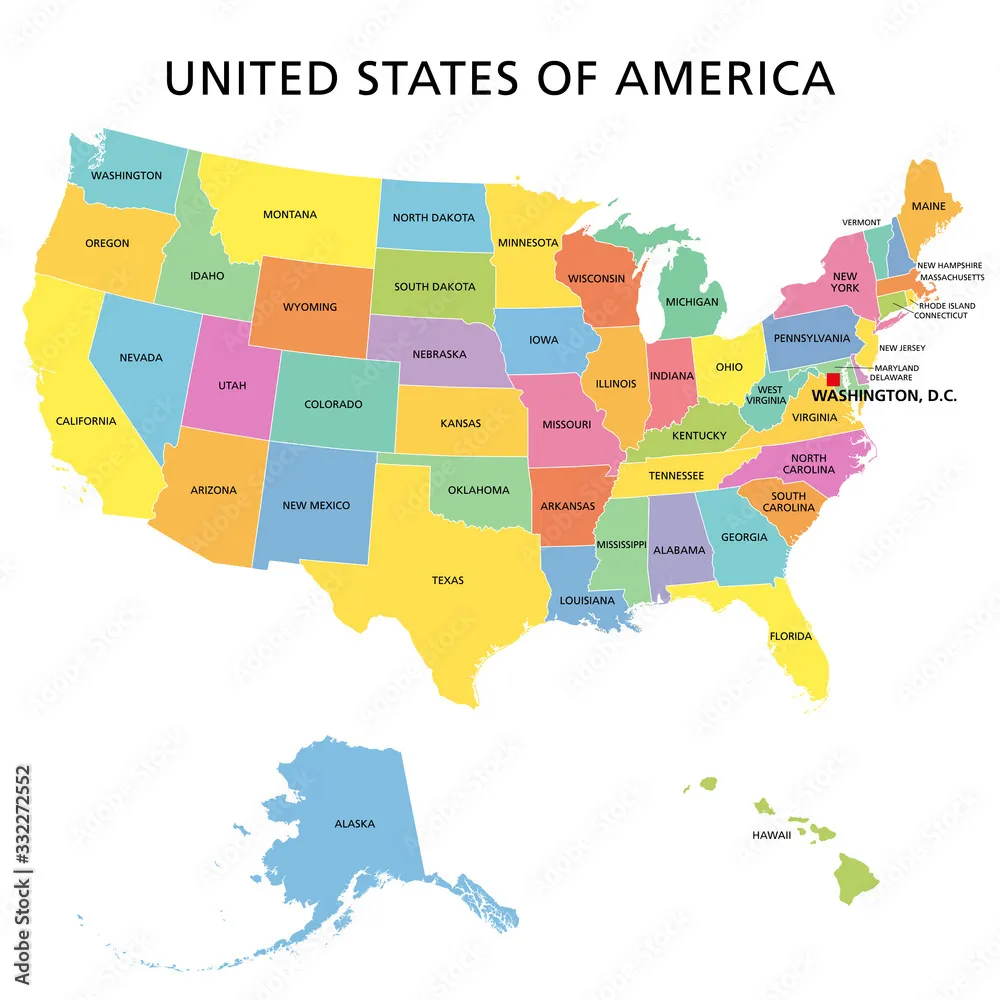 Photo: United States, via as2.ftcdn.net
This isn't a coincidence. It's a convergence of several well-documented physiological and psychological stressors that happen to collide on the same calendar day, every year, like clockwork.
The Emotional Cocktail Nobody Talks About
Birthdays are emotionally loaded events — and not always in the ways we expect. Yes, there's joy. But for many people, especially at milestone ages, there's also anxiety, reflection, and what psychologists sometimes call "birthday blues" — a real phenomenon characterized by low mood, existential rumination, and heightened stress in the days surrounding a birthday.
For people approaching or crossing ages like 50, 60, or 70, that emotional weight gets heavier. The milestone triggers what researchers describe as a "age-related self-evaluation" — a rapid, often unconscious assessment of where you are versus where you thought you'd be. That internal reckoning, when it goes sideways, activates the body's stress response systems.
And your cardiovascular system is exquisitely sensitive to stress. Cortisol and adrenaline surge, heart rate climbs, blood pressure spikes, and blood vessels constrict. In a healthy heart with plenty of reserve capacity, this is manageable. In a heart that's already carrying some burden — plaque buildup, hypertension, undiagnosed arrhythmia — it can be the thing that tips the balance.
"Emotional triggers are some of the most underappreciated cardiac risk factors we have," explains one cardiologist specializing in stress-related heart events. "A birthday isn't just a party. For a lot of people, it's a stress test — and they don't even know they're taking it."
The Indulgence Effect: Your Heart Pays the Tab
Beyond the emotional dimension, birthdays are dietary free-for-alls. Cake, alcohol, restaurant meals loaded with sodium and saturated fat, late nights, and disrupted sleep schedules — it's the cardiovascular equivalent of running your car's engine at redline for 24 hours straight.
Alcohol deserves special attention here. Even moderate drinking can trigger atrial fibrillation — an irregular heart rhythm — in susceptible individuals. Researchers have documented what they call the "holiday heart" phenomenon, where binge or celebratory drinking leads to cardiac arrhythmias in people who would otherwise never experience them. Birthdays, with their built-in permission structure for "just one more," are prime territory for this effect.
High-sodium celebratory meals, meanwhile, cause rapid fluid retention that forces the heart to work harder. Pair that with alcohol's dehydrating effects, an emotionally charged day, and a late night that cuts into restorative sleep, and you've built a fairly impressive obstacle course for your cardiovascular system.
Why 50 and 60 Are the Danger Zones
Not all birthdays carry equal weight. The data consistently shows that milestone birthdays — the ones ending in zero — carry elevated risk compared to non-milestone years. Researchers believe this is because these ages serve as psychological checkpoints that intensify the self-evaluation process.
Turning 50 is particularly significant in American culture. It's the age that many people associate with the beginning of "later life," often accompanied by heightened health awareness, the onset of new symptoms, and a cultural narrative that treats it as a kind of countdown. The anxiety that surrounds this birthday, for many people, is genuinely acute.
Turning 60, 70, and 80 carry their own forms of psychological weight — and with each decade, the underlying cardiovascular risk profile of the average person has also grown, meaning there's less reserve to absorb the additional stress load that a birthday brings.
Celebrating Smarter: Your Heart-Approved Party Guide
None of this means you should skip the party. It means you should party with your heart in mind — and honestly, that's not as limiting as it sounds.
Keep the alcohol in check. One or two drinks is a celebration. Five is a cardiac experiment. Alternate alcoholic drinks with water, eat before you drink, and set a mental limit before the night begins.
Don't skip sleep for the sake of the occasion. Late-night celebrations are fun, but sleep deprivation is a legitimate cardiac stressor. If you're going big on the night itself, plan for a recovery day after.
Make room for movement. A birthday walk, a swim, a bike ride — even 20 minutes of moderate exercise earlier in the day can meaningfully buffer the physiological impact of the celebration ahead. Exercise is one of the most effective stress regulators your body has.
Talk about the feelings, not just the food. If milestone birthdays genuinely stress you out, acknowledge it. Talk to someone. The psychological component of birthday cardiac risk is real, and the most effective antidote to emotional stress is connection — which, conveniently, is also what birthdays are supposed to be about.
Know your numbers before the big day. If you're approaching a milestone birthday and haven't had a recent cardiovascular checkup, schedule one. A blood pressure reading, a cholesterol panel, and a frank conversation with your doctor costs almost nothing and could tell you a lot.
Your Heart Deserves to Make It to the Next One
Birthdays are worth celebrating. The data showing elevated cardiac risk on your big day isn't a reason to cancel the party — it's a reason to celebrate with a little more intention. Know your body, respect your limits, and give your heart the same gift you'd give anyone you love on their birthday: a little extra care.