The Super Bowl Effect: What Happens to America's Collective Heart Every February

The Super Bowl Effect: What Happens to America's Collective Heart Every February
Every February, approximately 115 million Americans voluntarily subject themselves to a four-hour cardiovascular stress test disguised as entertainment. The Super Bowl isn't just the biggest sporting event of the year — it's a documented public health phenomenon that sends emergency room admissions soaring in participating cities.
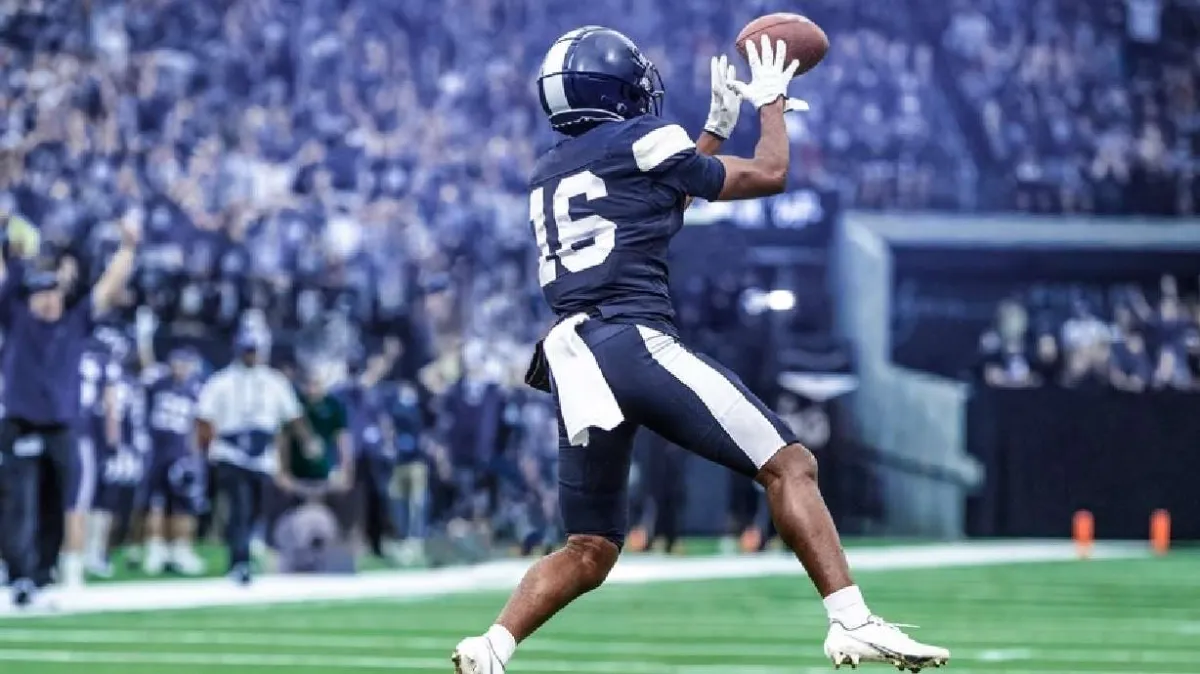 Photo: Super Bowl, via doquizzes.com
Cardiologists have been quietly tracking this pattern for decades. When your team is down by three with two minutes left, your heart isn't just metaphorically in your throat. It's literally working overtime, pumping against elevated blood pressure while navigating dangerous rhythm disturbances triggered by pure emotional intensity.
The Physiology of Fandom
What exactly happens inside your chest during a last-second touchdown drive? The physiological cascade is both predictable and potentially dangerous.
It starts with your sympathetic nervous system — the body's alarm system — flooding your bloodstream with adrenaline and cortisol. Your heart rate spikes, sometimes doubling within seconds. Blood pressure surges as blood vessels constrict. In healthy individuals, this is manageable. In people with underlying cardiovascular disease, it can be the trigger for something serious.
Dr. Robert Chen, an emergency cardiologist in Los Angeles, sees this firsthand every championship season. "We call it 'sports cardiology' around here. The correlation between big games and cardiac events is undeniable. We actually staff extra personnel on Super Bowl Sunday."
 Photo: Dr. Robert Chen, via hobsonhealthcare.com.au
The Data Doesn't Lie
Research from major medical centers has documented cardiac event increases of 15-20% in cities with teams playing in high-stakes championship games. The effect is most pronounced in men over 55 — the demographic most likely to have both intense sports loyalty and underlying heart disease.
The 2008 Super Bowl provides a perfect case study. When the New England Patriots lost their undefeated season to the New York Giants, Boston-area hospitals reported a 41% increase in cardiac-related emergency visits in the 48 hours following the game. Similar spikes occurred in New York, but with a twist — the increase happened during the game, not after.
 Photo: New England Patriots, via purepng.com
"Winners and losers both show cardiovascular stress," explains Dr. Chen. "But the timing is different. Losing fans tend to have delayed reactions — the stress compounds over hours. Winning fans spike during moments of intense excitement, then crash afterward."
The Dangerous Moments
Not all game situations are created equal from a cardiac perspective. Research identifies specific triggers that send heart rates and blood pressure into dangerous territory:
Fourth Quarter Comebacks: The sustained tension of a close game creates prolonged stress hormone elevation. Your cardiovascular system essentially runs in crisis mode for 15-20 minutes straight.
Overtime Periods: These represent peak danger zones. The unexpected extension of emotional intensity catches the body off guard, particularly in older fans who may have been managing their stress levels for three hours already.
Controversial Calls: Sudden rule reversals or disputed penalties create acute anger responses. Unlike the sustained stress of close scoring, these trigger rapid blood pressure spikes that can overwhelm compromised cardiovascular systems.
The Social Amplification Effect
Watching alone versus in groups significantly impacts cardiovascular response. Super Bowl parties, sports bars, and stadium environments amplify emotional reactions through social contagion. When 50 people around you are screaming, your stress response intensifies automatically.
"Group viewing is like cardiovascular peer pressure," notes Dr. Chen. "People get caught up in collective emotions and push past their normal stress tolerance levels."
Alcohol consumption — nearly universal at Super Bowl gatherings — compounds these effects. Alcohol initially appears to calm nerves but actually increases heart rate variability and can trigger dangerous arrhythmias when combined with high stress.
The Food Factor
Super Bowl Sunday ranks second only to Thanksgiving for total food consumption in America. The average viewer consumes over 2,400 calories during the game — equivalent to an entire day's recommended intake in four hours.
This eating pattern creates additional cardiovascular stress. Large meals divert blood flow to the digestive system while simultaneously spiking blood sugar and insulin levels. Combined with emotional stress and alcohol, it creates a perfect storm for cardiac events.
Processed foods dominate Super Bowl menus: wings, pizza, chips, and dips loaded with sodium. This salt bomb causes fluid retention and blood pressure elevation that peaks 2-4 hours after consumption — exactly when most games reach their climactic moments.
Harm Reduction for Superfans
Cardiologists aren't suggesting Americans skip the Super Bowl, but they do recommend practical strategies for high-risk fans:
Know Your Limits: If you have diagnosed heart disease, consider watching with a smaller group or taking breaks during intense moments.
Moderate the Modifiers: Limit alcohol and avoid massive meals during the game. Save the feast for halftime or after the final whistle.
Have an Exit Strategy: If you feel chest discomfort, unusual shortness of breath, or heart palpitations, step away from the TV and assess honestly whether you need medical attention.
Medication Timing: If you take heart medications, don't skip doses on game day. Some cardiologists even recommend taking blood pressure medications earlier than usual on high-stress sports days.
The Bigger Picture
The Super Bowl effect reveals something important about American cardiovascular health. If a football game can trigger measurable increases in heart attacks, it suggests millions of Americans are living closer to the edge of cardiac events than they realize.
"Sports stress is just a magnifying glass," says Dr. Chen. "It reveals underlying cardiovascular vulnerability that exists year-round. The game doesn't cause heart disease — it just exposes it."
So this February, cheer for your team, enjoy the commercials, and savor the halftime show. Just remember that your heart is watching too. And unlike your team's performance, your cardiovascular response is something you can actually control.