Your Family's Holiday Feast Is Plotting Against Your Heart
The December ER Rush Is Real — And Predictable
Every year, like clockwork, emergency departments across the United States brace for what cardiologists have dubbed "the holiday heart syndrome." Between Christmas Eve and New Year's Day, cardiac-related hospital admissions spike by nearly 15%, with heart attacks and arrhythmias leading the charge.
The culprit? That Instagram-worthy holiday spread that took your aunt three days to prepare.
"We see the same pattern every single year," explains Dr. Maria Rodriguez, a cardiologist at Houston Methodist Hospital. "December 25th through January 2nd — it's like someone flips a switch. Suddenly we're treating patients who've essentially shocked their cardiovascular systems into overdrive."
 Photo: Houston Methodist Hospital, via d3cnqzq0ivprch.cloudfront.net
Your Heart on Holiday Mode: A Play-by-Play
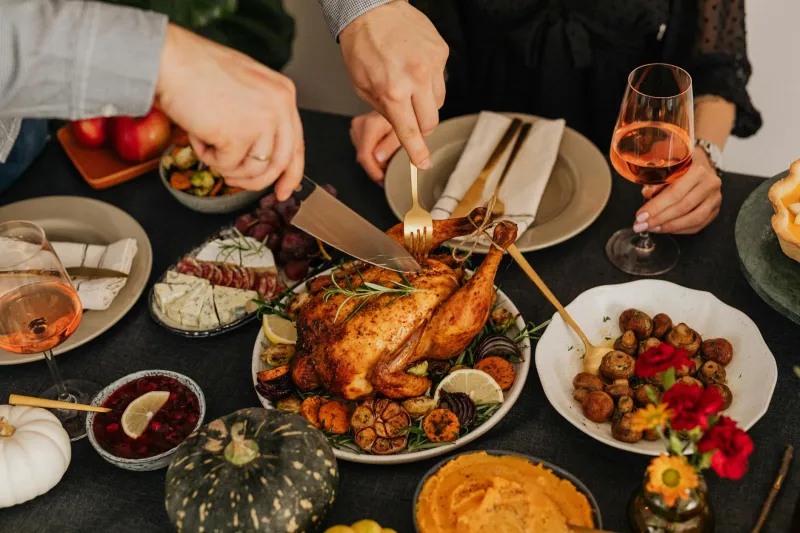
Let's walk through what actually happens to your ticker during a typical holiday meal, course by course.
The Appetizer Ambush: Those bacon-wrapped scallops and cheese-loaded dips aren't just sodium bombs — they're priming your blood vessels for a rough night. A single serving of holiday appetizers can pack 1,500mg of sodium, nearly the entire daily recommended limit. Your heart immediately starts working harder to pump blood through vessels that are beginning to constrict.
The Main Event Mayhem: Here's where things get serious. That glazed ham contains about 1,000mg of sodium per serving. The stuffing? Another 800mg. Gravy adds 400mg more. We're talking about a single plate that can deliver 3,000-4,000mg of sodium — double what your heart wants to handle in an entire day.
Meanwhile, your blood pressure is climbing, and your heart rate is increasing to compensate for the extra workload.
The Alcohol Acceleration: That second glass of wine isn't just relaxing your inhibitions — it's creating a perfect storm. Alcohol initially dilates blood vessels, causing a temporary drop in blood pressure. But as your body processes it, there's a rebound effect that can send your heart racing. Add this to an already stressed system, and you've got a recipe for arrhythmia.
The Sugar Crash Finale: Holiday desserts deliver a massive glucose spike that forces your heart to pump harder to circulate all that sugar. Then comes the crash, leaving your cardiovascular system confused and overworked.
The Stress Factor Nobody Talks About
But the food is only part of the story. Dr. James Chen, a preventive cardiologist at UCLA Medical Center, points to the psychological stress component that makes holiday dinners particularly dangerous.
 Photo: UCLA Medical Center, via architizer-prod.imgix.net
"You've got family dynamics, travel fatigue, financial pressure from gift-giving, and often alcohol lowering people's emotional filters," Chen explains. "Your cortisol levels are already elevated before you even sit down to eat. Then you add physical stress from overeating, and it's a cardiovascular double-whammy."
Research from the American Heart Association shows that family stress during holidays can increase heart attack risk by up to 40% in people with existing cardiovascular conditions.
The Timeline of Trouble
The danger doesn't end when dinner does. Studies show that cardiac events often occur 2-6 hours after large, high-sodium meals. That's why many holiday heart attacks happen late at night or early the next morning.
"Your body is working overtime to process everything you've consumed," Rodriguez notes. "Blood is diverted to your digestive system, your heart is pumping against elevated blood pressure from all that sodium, and if you're lying down trying to sleep, you might not even notice the early warning signs."
Surviving the Feast Without Wrecking Your Heart
Here's the good news: you don't have to skip the holidays to protect your heart. Cardiologists recommend these evidence-based strategies:
The Plate Strategy: Fill half your plate with vegetables before adding anything else. This naturally limits portions of the dangerous stuff while providing potassium to counteract sodium.
The Timing Trick: Eat your largest meal earlier in the day. Your cardiovascular system handles stress better when you're upright and active, not lying down trying to digest.
The Hydration Hack: Drink a full glass of water before eating and between each alcoholic beverage. This helps your kidneys process excess sodium and prevents dehydration-induced heart stress.
The Movement Method: Take a 10-minute walk after eating. Light activity helps your heart handle the post-meal workload more efficiently.
The Bottom Line
Your holiday dinner table might look like a Norman Rockwell painting, but from your heart's perspective, it's more like a crime scene. The good news? With some strategic planning, you can enjoy the festivities without sending your cardiovascular system into overdrive.
"The holidays should be about connection and joy, not cardiac events," Chen emphasizes. "A few simple modifications can make the difference between a memorable meal and a trip to the ER."
Your heart will thank you for thinking ahead — and your family will thank you for sticking around for next year's celebration.