Fourth Down Cardiac Drama: How Game-Winning Drives Are Actually Spiking Your Blood Pressure

When Your Couch Becomes Cardio
That last-second field goal attempt isn't just making you sweat through your jersey — it's putting your heart through a workout that would make your cardiologist raise an eyebrow. Recent studies tracking fans during high-stakes games have uncovered something wild: watching your team in crunch time can spike your heart rate to levels typically seen during moderate exercise, all while you're planted firmly on your couch with a bag of chips.
Researchers monitoring fans during playoff games found heart rates jumping from a resting 70 beats per minute to over 130 during crucial moments — that's the same cardiovascular response you'd get from a brisk jog around the block. But here's the kicker: unlike actual exercise, this stress response comes without any of the protective benefits of physical activity.
The Super Bowl Surge: When Fandom Gets Dangerous
Every February, emergency rooms across America see a predictable pattern. Cities with teams in the Super Bowl experience a 15-20% spike in cardiac-related hospital admissions on game day, according to data from the American Heart Association. It's not just the losing team's fans either — even victory celebrations can trigger dangerous cardiovascular events in vulnerable individuals.
 Photo: Super Bowl, via enjoyorangecounty.com
Dr. Sarah Chen, a sports cardiologist at UCLA, has been tracking this phenomenon for years. "We see everything from chest pain and palpitations to actual heart attacks," she explains. "The emotional intensity of watching your team fight for a championship creates a perfect storm of stress hormones, elevated blood pressure, and increased heart rate that can push someone with underlying heart disease over the edge."
The most telling data comes from cities that have experienced dramatic playoff runs. During the Warriors' championship years, San Francisco Bay Area hospitals reported a 25% increase in cardiovascular emergencies during playoff games. Similar patterns emerged in Philadelphia during the Eagles' Super Bowl run and in Kansas City during the Chiefs' recent success.
March Madness: The Month-Long Cardiac Marathon
If single games can wreak havoc on your heart, imagine what a month of bracket-busting upsets does to your cardiovascular system. March Madness represents a unique challenge for heart health because it's not just one high-stress event — it's weeks of accumulated emotional rollercoasters.
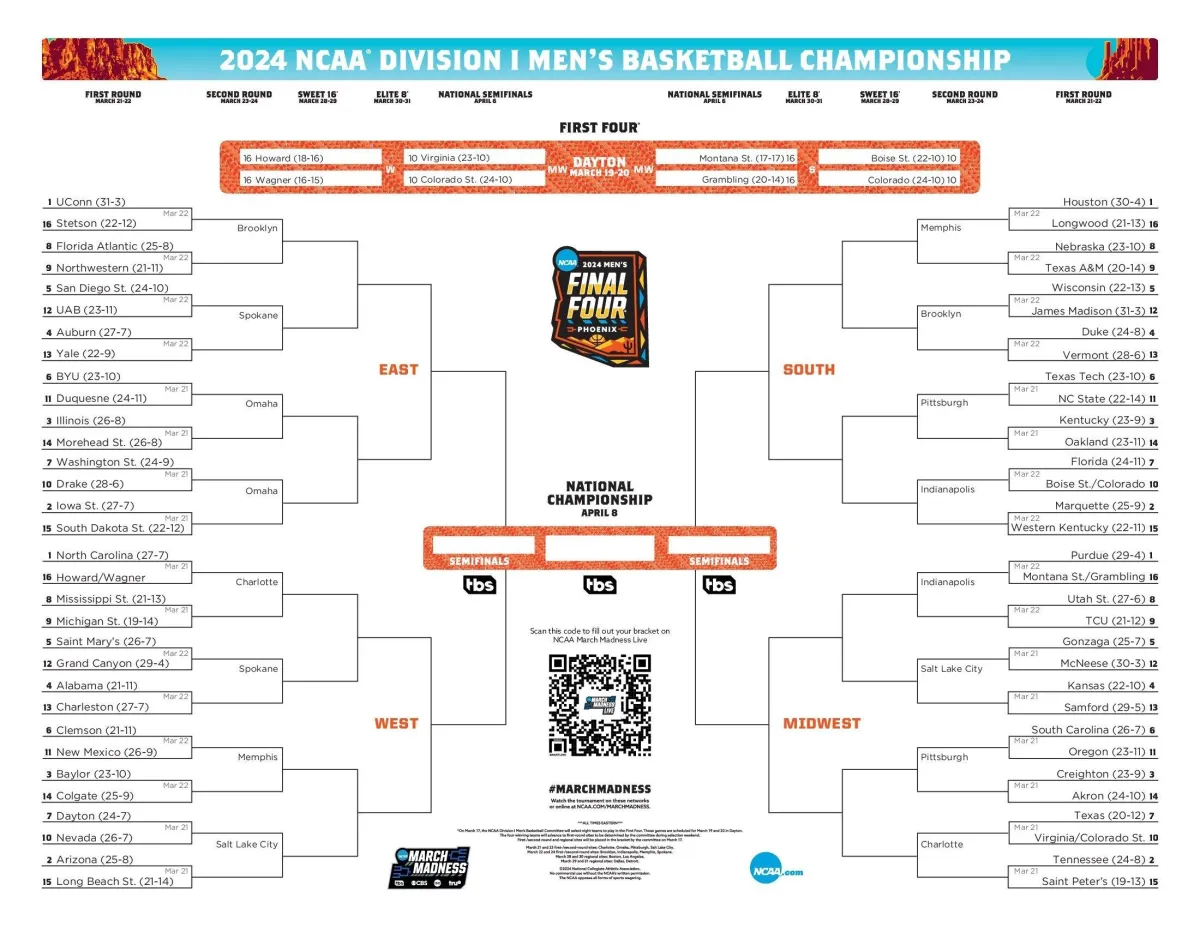 Photo: March Madness, via www.ncaa.com
Studies tracking office workers during the NCAA tournament found that people with brackets on the line showed consistently elevated stress hormone levels throughout the three-week period. Their cortisol levels remained elevated even on non-game days, suggesting that the anticipation and anxiety of upcoming games creates a chronic stress state that persists between actual viewing sessions.
The Home Team Advantage (For Your Heart)
Interestingly, where you watch matters almost as much as what you're watching. Fans watching at home show different cardiovascular responses than those in sports bars or stadiums. Home viewers tend to have more controlled heart rate spikes, while bar patrons experience more sustained elevation due to the social energy and crowd dynamics.
Stadium attendance creates its own unique cardiac profile. The combination of crowd noise, physical exertion from cheering, and the shared emotional intensity can create heart rate patterns that mirror those seen during competitive sports participation. Some fans literally experience the same physiological stress as the athletes they're watching.
Your Heart's Game Plan: Protecting Yourself Without Missing the Action
Before you swear off sports forever, know that there are ways to enjoy the game without putting your heart at risk. The key is preparation and awareness, especially if you have existing cardiovascular conditions.
Pre-Game Prep: Just like athletes warm up before competition, passionate fans should prepare their cardiovascular system. This means avoiding excessive caffeine before big games, staying hydrated, and ensuring you've taken any prescribed heart medications.
Halftime Heart Checks: Use commercial breaks and halftime to practice deep breathing exercises. The 4-7-8 technique (inhale for 4, hold for 7, exhale for 8) can help reset your nervous system and bring your heart rate back to baseline.
Know Your Limits: If you have heart disease, high blood pressure, or a history of cardiac events, consider watching with a buddy who knows your medical history. Some cardiologists even recommend patients avoid watching elimination games live, opting instead for recorded versions where the outcome is known.
The Science Behind the Scream
What makes sports viewing so cardiovascularly intense? It's all about mirror neurons and evolutionary biology. When we watch athletes perform, our brains activate the same neural pathways as if we were performing those actions ourselves. Add in the tribal loyalty aspect of team fandom, and you've got a recipe for serious physiological arousal.
The stress response during game-watching is remarkably similar to the fight-or-flight response our ancestors experienced during actual physical threats. Your body doesn't distinguish between running from a predator and watching your team attempt a game-winning drive — it just knows something important is happening and responds accordingly.
The Bottom Line: Love Your Team, Love Your Heart
Being a passionate sports fan doesn't mean you have to choose between your team and your heart health. The key is finding balance and being mindful of how your body responds to game-time stress. If you notice chest pain, shortness of breath, or unusual fatigue during games, don't brush it off as normal fan excitement.
Your heart is already working hard enough to keep you alive — it doesn't need the added pressure of wondering whether your quarterback can convert on third and long. With a little awareness and preparation, you can cheer your team to victory without putting your cardiovascular system through unnecessary overtime.