Fired Up and Flatlined: The Memorial Day Cookout Habits That Are Quietly Ambushing Your Arteries
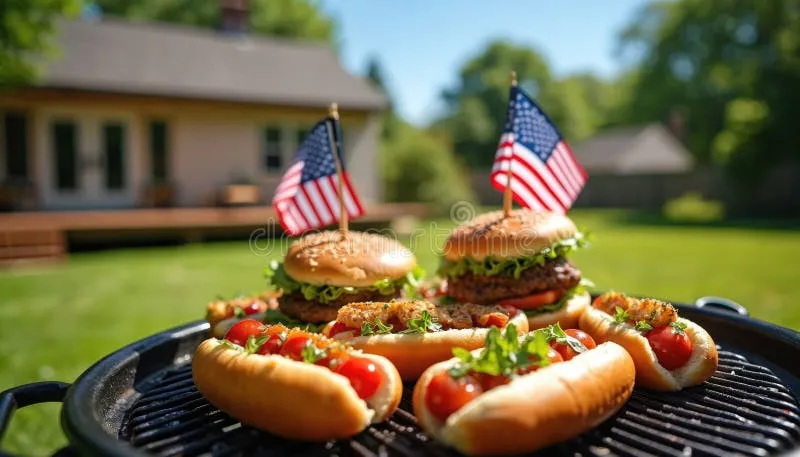
Photo: summer backyard barbecue cookout grilling burgers Memorial Day, via thumbs.dreamstime.com
Memorial Day weekend is sacred in America. The unofficial launch of summer, the first real excuse to fire up the grill, crack open a cold one before noon without judgment, and spend the whole day outside doing absolutely nothing responsible. It's glorious. It's also, from a cardiovascular standpoint, kind of a disaster.
 Photo: Memorial Day, via api.army.mil
The data on holiday weekend cardiac events is uncomfortable reading for anyone who loves a good cookout — which is most of us. Emergency room visits spike on long weekends. The combination of factors that converge on Memorial Day in particular creates what one cardiologist we spoke with called "a perfect storm for your arteries." Let's break down exactly what's going on — and how to not let your holiday weekend become a health emergency.
The Sudden Activity Problem
Here's a scenario that plays out in backyards across America every Memorial Day: A guy who has been largely sedentary since November suddenly decides to set up a volleyball net, move patio furniture, haul coolers, play touch football with his nephews, and spend three hours standing over a hot grill. All in one afternoon.
This is called "sudden vigorous activity after prolonged inactivity" — and it's a genuine cardiovascular trigger. When your body hasn't been doing much, your heart isn't conditioned to handle sudden spikes in demand. Blood pressure surges. Heart rate climbs sharply. The risk of a cardiac event in the hours following intense, unexpected physical exertion is meaningfully elevated, particularly in people over 45.
The American Heart Association has long flagged this pattern — sometimes called the "weekend warrior" risk — but Memorial Day amplifies it because the activity is often unplanned, in the heat, and accompanied by dehydration and alcohol. That's a layered problem.
What the Grill Is Actually Doing to Your Blood Vessels
Charred meat is delicious. It's also, in meaningful quantities, not great for your arteries. When meat is cooked at high temperatures — especially over open flame — it produces compounds called heterocyclic amines (HCAs) and polycyclic aromatic hydrocarbons (PAHs). Research has linked both to increased cardiovascular risk, partly through their inflammatory effects on blood vessels.
Then there's the red meat factor itself. Burgers, hot dogs, brats, ribs — Memorial Day menus tend to be heavy on processed and unprocessed red meat, both of which are associated with elevated LDL cholesterol and arterial inflammation when consumed in excess. One cookout isn't going to give you heart disease. But one cookout where you eat four hot dogs, two burgers, and a pile of sodium-laden potato salad? Your blood vessels are going to feel that.
Sodium is the sneaky villain here. Processed meats, store-bought sides, condiments, chips — the average Memorial Day plate is a sodium bomb. High sodium intake causes your body to retain water, which raises blood volume and increases blood pressure. For anyone with hypertension — and roughly half of American adults have elevated blood pressure — this is a real concern.
Dehydration: The Invisible Threat
Spending hours outside in late May heat, alternating between physical activity and cold beer, is a textbook recipe for dehydration. And here's the thing most people don't know: dehydration thickens your blood. Literally. When you're not adequately hydrated, your blood becomes more viscous, which makes it harder for your heart to pump it efficiently and increases the risk of clotting.
Alcohol makes this dramatically worse. Beer, wine, and cocktails are diuretics — they actively pull fluid out of your body. So every drink you have at a cookout is working against your hydration status, even as it feels refreshing. The combination of heat, sweating, and drinking alcohol without matching it with water is one of the most common contributors to holiday-weekend cardiovascular stress.
A simple rule: for every alcoholic drink at the cookout, have a full glass of water. It sounds boring. It works.
The Alcohol-Heart Rhythm Connection
Beyond dehydration, alcohol has a direct effect on cardiac rhythm. Even moderate drinking can trigger atrial fibrillation — an irregular heartbeat — in susceptible individuals. This phenomenon, known as "holiday heart syndrome," was originally documented around heavy holiday drinking but applies just as readily to a long weekend of consistent alcohol consumption.
AFib episodes can feel like heart fluttering, racing, or a strange heaviness in the chest. Many people dismiss them as "too much fun." Some are. Some aren't. If you or someone at your cookout experiences a sustained irregular heartbeat, especially combined with lightheadedness or chest discomfort, that's a 911 moment — not a "sleep it off" moment.
Heat Is Doing Its Own Damage
May heat is deceptive. It doesn't hit like August, so people underestimate it. But standing over a grill in 85°F weather, wearing dark clothing, drinking alcohol, and exerting yourself is a heat stress scenario. Heat forces your heart to work harder to cool your body — it pumps blood toward the skin's surface to dissipate heat, which means it's doing double duty.
For people with existing cardiovascular conditions, prolonged heat exposure can tip the balance from manageable to dangerous. Take breaks in the shade. Wear light clothing. Keep the water coming.
A Practical Game Plan That Doesn't Kill the Vibe
Nobody wants to be the person at the cookout sipping sparkling water and turning down the ribs. That's not the point here. The point is smart adjustments that let you enjoy the whole weekend — including the rest of it.
Warm up before the activity. If you know you're going to be physically active, do five to ten minutes of light movement first. Walk around the block. Stretch. Don't go from the couch to competitive volleyball.
Lean toward chicken, fish, or plant-based options. They grill just as well and your arteries will appreciate the break from red meat. If you want a burger, have one — just maybe not four.
Marinate your meat. Research suggests that marinating meat before grilling can reduce HCA formation by up to 90%. Bonus: it tastes better.
Alternate drinks. Alcohol in, water in. Every time. Non-negotiable.
Know your crowd. If you're hosting older guests, or anyone with known heart conditions, make sure there's shade, keep the physical activities optional, and check in on people who seem unusually flushed or quiet.
Recognize the signs. Chest pressure, jaw discomfort, shortness of breath disproportionate to activity, dizziness that doesn't resolve — these are not symptoms to sleep off at a holiday party.
The Bottom Line
Memorial Day is worth celebrating. The people we're honoring with this holiday gave everything — the least we can do is make it to Tuesday. Enjoy the grill, enjoy the company, enjoy the cold drink in the sun. Just give your heart a little backup while you're at it.