Writing Your Way to a Healthier Heart: The Gratitude Habit Cardiologists Can't Ignore Anymore

Writing Your Way to a Healthier Heart: The Gratitude Habit Cardiologists Can't Ignore Anymore
You've probably heard the advice a hundred times: keep a gratitude journal. Write down three good things. Count your blessings. It sounds like something stitched on a throw pillow, not something your cardiologist would ever bring up during a checkup. But here's the thing — they're starting to.
A growing stack of clinical research is making it increasingly awkward for the medical community to wave off gratitude as soft science. The data is pointing somewhere specific and surprising: your heart.
What's Actually Happening Inside Your Chest When You Feel Thankful
Let's get into the physiology for a second, because this is where it gets genuinely interesting.
When you engage in a sincere gratitude practice — meaning you actually sit with the feeling rather than just listing things robotically — your nervous system shifts. Specifically, the parasympathetic branch kicks in. That's your rest-and-digest mode, the biological counterweight to the fight-or-flight stress response that most Americans spend way too much of their day stuck in.
This shift has measurable downstream effects. Heart rate variability (HRV), which is the variation in time between your heartbeats, improves. And if you've been paying attention to the smartwatch conversation happening in the fitness world, you already know HRV is one of the most reliable indicators of cardiovascular resilience out there. Higher HRV means your heart is adaptable, responsive, and not running on fumes.
A 2015 study published in Spirituality in Clinical Practice found that heart failure patients who kept gratitude journals for eight weeks showed significant reductions in inflammatory biomarkers — including those linked to cardiac remodeling — compared to a control group. The researchers weren't expecting the magnitude of the effect. Neither was anyone else.
The Inflammation Connection Nobody's Talking About
Inflammation is the villain in the modern heart health story. It sits behind atherosclerosis, it accelerates plaque buildup, and it makes existing cardiovascular conditions worse. We spend billions on medications designed to knock it down.
But here's what's quietly emerging in the literature: chronic psychological stress is one of the most reliable drivers of systemic inflammation. Cortisol, the body's primary stress hormone, triggers inflammatory cytokines when it stays elevated for too long. And the average American — juggling work deadlines, financial pressure, family obligations, and a 24-hour news cycle designed to keep them anxious — is swimming in cortisol.
Gratitude, it turns out, is a cortisol disruptor. Research from the HeartMath Institute has shown that sustained positive emotional states — including gratitude — directly reduce cortisol output and shift the body toward what they call "cardiac coherence," a state where heart rhythm patterns become more ordered and efficient. Think of it as your heart finally getting to stop improvising and play from a clean sheet of music.
The inflammation markers follow. C-reactive protein, interleukin-6, tumor necrosis factor — the usual suspects that cardiologists track — all trend downward in studies where subjects maintain consistent positive emotional practices. Gratitude journaling isn't the only tool that achieves this, but it's among the most accessible and the most studied.
What Cardiologists Are Actually Saying (Behind Closed Doors)
Here's the honest reality: most cardiologists aren't prescribing journaling yet. The medical establishment moves slowly, and lifestyle interventions that don't come with a clinical trial infrastructure and an FDA approval number tend to get treated as supplementary at best.
But the conversation is shifting. The American Heart Association has increasingly acknowledged the role of psychological well-being in cardiovascular outcomes. Several major medical centers — including institutions like UC San Diego and UCLA — have integrated mind-body programs into their cardiac rehabilitation protocols, and gratitude practices are baked into many of them.
 Photo: UC San Diego, via c8.alamy.com
Dr. Robert Emmons at UC Davis, arguably the leading researcher on gratitude science in the country, has spent decades documenting the physiological effects of thankfulness. His work consistently shows that people who practice gratitude report fewer physical health complaints, exercise more regularly, sleep better, and — critically — have better heart rate patterns during stress events.
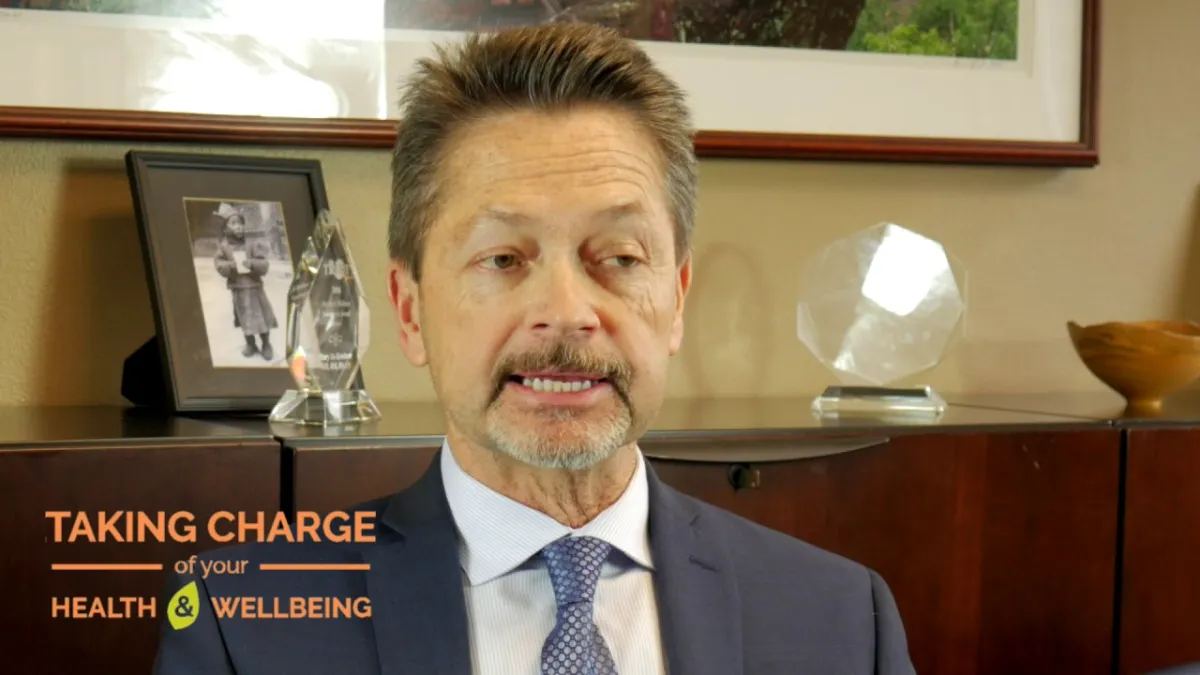 Photo: Dr. Robert Emmons, via i.ytimg.com
That last one is huge. It means gratitude isn't just making you feel better in the moment. It's actually training your cardiovascular system to respond differently under pressure.
The 5-Minute Evening Routine That Might Actually Stick
Okay, so you're sold on the concept. The question is how to make it a real habit rather than something you do for four days and abandon.
Here's what the research actually supports — not the Instagram version, but the version that produces measurable physiological results:
Step 1: Time it right. Evening works better than morning for most people, because you're reflecting on a completed day rather than projecting onto one that hasn't happened yet. Aim for the 30 minutes before bed.
Step 2: Go specific, not generic. "I'm grateful for my family" is fine, but it doesn't activate the same neural pathways as "I'm grateful that my sister called me out of nowhere this afternoon just to check in." Specificity creates emotional depth, and emotional depth is what drives the physiological response.
Step 3: Write three things — and stop there. Research suggests that more isn't better. Three meaningful entries outperform ten rushed ones every time. Quality of reflection, not quantity of bullet points.
Step 4: Sit with it for 60 seconds. After writing, close your eyes and actually feel the gratitude. This sounds woo-woo, but it's the step that engages the parasympathetic nervous system. The writing alone is just data entry. The feeling is the medicine.
Step 5: Be consistent for at least four weeks. The inflammatory marker studies didn't show significant changes in less than a month. Your heart needs time to respond to any new input — whether that's a new medication or a new emotional habit.
The Bottom Line
Nobody's suggesting you throw out your statins and replace them with a leather-bound journal. That's not the point. The point is that the gap between what we know affects heart health and what we actually do about it is still enormous — and gratitude practices are sitting right there in that gap, cheap, side-effect-free, and increasingly backed by real science.
Your heart is taking notes on everything you feel. Might as well give it something good to work with.