Slow Down to Level Up: Why Zone 2 Cardio Is Taking Over American Gyms
Slow Down to Level Up: Why Zone 2 Cardio Is Taking Over American Gyms
Something strange is happening on gym floors across America. The people who look the most serious — the ones with the heart rate monitors and the focused, almost meditative expressions — aren't grinding through brutal HIIT circuits or sprinting until they collapse. They're jogging at a comfortable pace. They're cycling at a speed where they could, if pressed, hold a full conversation.
They're doing Zone 2 cardio. And they might be training smarter than anyone else in the building.
Once the exclusive domain of elite endurance athletes and sports science labs, Zone 2 training has officially crossed over into mainstream American fitness culture. It's flooding TikTok feeds, filling podcast episodes, and reshaping how everyday people think about cardio. And unlike most fitness trends that flare up and fizzle out, this one has decades of hard science behind it.
What Even Is Zone 2?
Heart rate training divides your cardiovascular effort into five zones, from easy recovery (Zone 1) to all-out max effort (Zone 5). Zone 2 sits comfortably in the middle-lower range — roughly 60 to 70 percent of your maximum heart rate.
For most adults, that translates to somewhere between 110 and 145 beats per minute, depending on age and fitness level. A quick way to ballpark your max heart rate: subtract your age from 220. So if you're 40, your max is approximately 180 bpm, and your Zone 2 range would be around 108–126 bpm.
The most practical test? The "talk test." If you can carry on a conversation — not just grunt one-word answers, but actually hold a discussion — you're probably in Zone 2. If you're too winded to speak, you've drifted higher.
The Science That's Got Everyone Talking
The Zone 2 renaissance has a clear figurehead: Dr. Peter Attia, the longevity-focused physician and host of the wildly popular podcast The Drive, who has spent years evangelizing about the metabolic and mitochondrial benefits of low-intensity training. But the science he's drawing from goes back much further.
At the cellular level, Zone 2 training is primarily powered by your mitochondria — the tiny organelles inside your muscle cells that convert oxygen and fuel into energy. Training in this zone forces your body to become extraordinarily efficient at burning fat as fuel (rather than relying on quick-burning carbohydrates) and, crucially, it stimulates the growth of new mitochondria through a process called mitochondrial biogenesis.
More mitochondria means more metabolic horsepower. Better fat oxidation. Greater endurance. A more resilient cardiovascular system. And emerging research suggests it may also play a significant role in metabolic health markers like insulin sensitivity — which has enormous implications for the roughly 96 million American adults currently living with prediabetes.
"Zone 2 is the foundation of aerobic fitness," says Dr. Iñigo San Millán, a sports physiology researcher at the University of Colorado who has worked with world-class cyclists and is frequently cited in Zone 2 discussions. "Without it, all the high-intensity work you're doing is built on sand."
Why High-Intensity Isn't Always the Answer
American gym culture has long worshipped intensity. No pain, no gain. Crush it. Leave it all on the floor. And while high-intensity interval training (HIIT) absolutely has its place — it's time-efficient and delivers real cardiovascular benefits — the problem is that most people are doing too much of it and not enough of the slower stuff.
When you're constantly training at high intensities, your body leans heavily on carbohydrates for fuel and never fully develops its fat-burning machinery. You also accumulate more physiological stress, which can lead to elevated cortisol levels, impaired recovery, and — for many recreational athletes — a frustrating plateau.
Zone 2 fills the aerobic base that high-intensity work alone can't build. Think of it like the foundation of a house. You wouldn't build walls without a solid base, yet most Americans skip straight to the exciting stuff and wonder why their fitness stalls.
The TikTok Effect
Social media has turbocharged the Zone 2 conversation in a way academic papers never could. Search #zone2cardio on TikTok and you'll find millions of views — creators sharing their 45-minute incline walks, their easy morning jogs, their Peloton rides where they're deliberately not trying to hit a high output score.
There's something almost countercultural about it. In a fitness landscape that has spent years glorifying sweat-soaked, barely-able-to-walk workouts, a movement that says "actually, go easier" is weirdly radical — and clearly resonating.
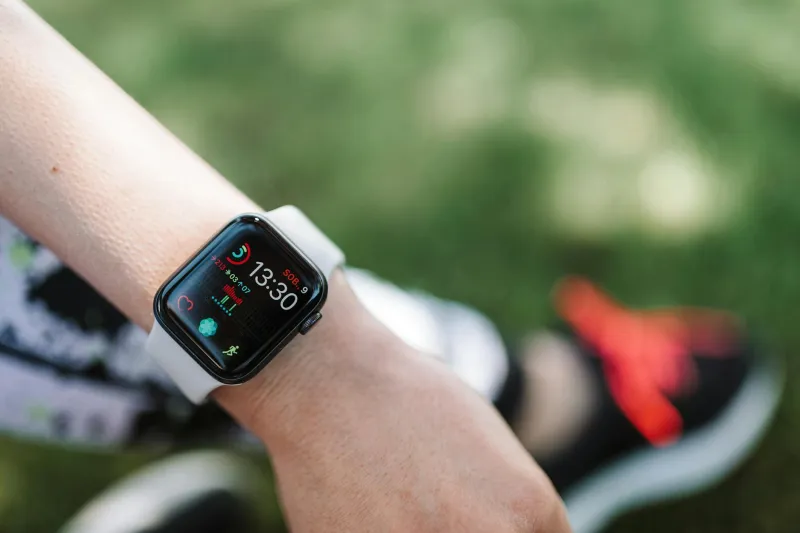
Gym equipment brands have noticed too. Wearable heart rate monitors, chest straps, and smartwatch apps that display real-time heart rate zones are flying off shelves. Planet Fitness, LA Fitness, and boutique studios alike are fielding more questions about heart rate zone training than ever before.
How to Actually Do It (Without a Sports Science Degree)
Here's the good news: Zone 2 training requires zero fancy equipment and no complicated protocols. Here's how to get started:
1. Pick your activity. Walking (especially incline walking), jogging, cycling, rowing, and swimming all work beautifully for Zone 2. The key is sustained, rhythmic effort.
2. Strap on a heart rate monitor. A chest strap like a Polar H10 gives the most accurate reading, but a smartwatch works fine for most people. You want to stay in that 60–70% max HR range.
3. Slow. Down. Seriously. Most people start a Zone 2 session and immediately drift too high. If your watch is showing 160 bpm on what you thought was an easy jog, walk until it comes back down. Your ego will survive.
4. Go long. Zone 2 benefits are largely duration-dependent. Most experts recommend sessions of 45 to 90 minutes, ideally three to four times per week. If that sounds like a lot, start with 30 minutes and build up.
5. Be patient. This is the hardest part. Zone 2 adaptations take weeks to months to fully manifest. But those who stick with it consistently report dramatic improvements in endurance, energy levels, and body composition — even without changing anything else.
The Bottom Line
Zone 2 cardio isn't a magic bullet, and it's not a replacement for strength training or the occasional hard effort. But as a cornerstone of a well-rounded fitness routine — and as a powerful tool for long-term heart health — it's about as evidence-backed as it gets.
So next time you hit the gym and feel tempted to crank up the treadmill speed until you're gasping, consider dialing it back instead. Put on a podcast, settle into a comfortable rhythm, and let your mitochondria do their thing.
Sometimes the most powerful thing you can do for your health is simply… slow down.
Always consult with a healthcare provider before starting a new exercise program, especially if you have existing cardiovascular conditions.