The Silent Saboteur in Your Kitchen: How Ultra-Processed Foods Are Rewiring Your Heart One Bite at a Time
The Silent Saboteur in Your Kitchen: How Ultra-Processed Foods Are Rewiring Your Heart One Bite at a Time
Your morning Pop-Tart, that grab-and-go frozen burrito, and even your "healthy" protein bar might be staging a quiet coup against your cardiovascular system. While you've been counting calories and tracking steps, ultra-processed foods have been busy rewiring your heart's electrical system, inflaming your arteries, and essentially teaching your body to crave the very things that could hurt it most.
The numbers are staggering: ultra-processed foods now make up a whopping 60% of the average American's daily calories. That's not just a dietary trend—it's a cardiovascular crisis hiding in plain sight.
What Makes Food "Ultra-Processed" Anyway?
Before we dive into the heart-stopping science, let's get clear on what we're talking about. Ultra-processed foods aren't just your obvious suspects like Cheetos and energy drinks. They're any food that's been industrially formulated with ingredients you wouldn't find in a home kitchen—think high-fructose corn syrup, hydrogenated oils, protein isolates, and a parade of preservatives with names that sound like chemistry homework.
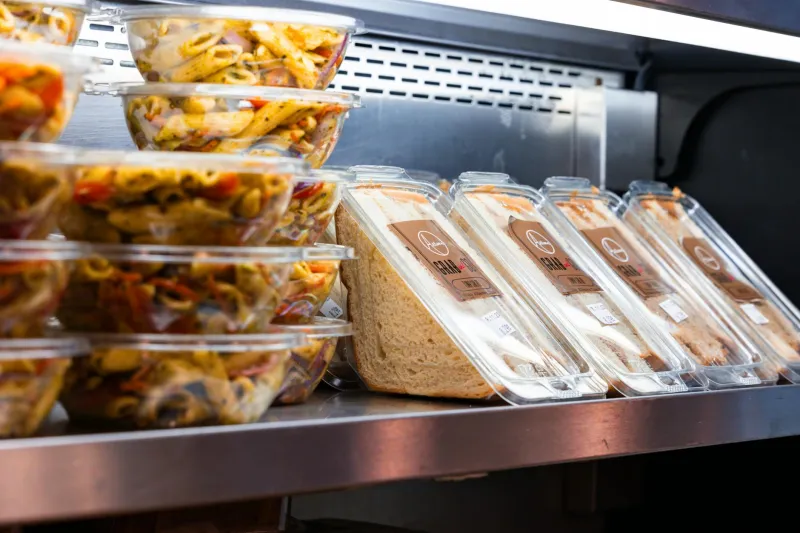
We're talking about breakfast cereals, flavored yogurts, deli meats, packaged bread, and yes, even some of those trendy plant-based meat alternatives. If it comes in a package with more than five ingredients, and half of them are unpronounceable, you're likely looking at an ultra-processed food.
Your Heart on Ultra-Processing: The Inside Story
Here's where things get interesting—and a little scary. Recent studies tracking over 100,000 Americans for more than a decade found that people who got just 10% more of their calories from ultra-processed foods had a 12% higher risk of cardiovascular disease. But the real kicker? The damage isn't just about weight gain or blood pressure spikes.
Ultra-processed foods appear to be hijacking your body's inflammatory response system. Every time you eat that convenience meal, your immune system treats it like a low-grade infection, flooding your bloodstream with inflammatory markers. Over time, this chronic inflammation starts scarring your arteries from the inside out—essentially aging your cardiovascular system in fast-forward.
The Sodium Bomb Nobody's Talking About
While everyone's been focused on sugar as the villain, sodium has been quietly doing its own damage. The average ultra-processed food contains about 400% more sodium than its whole-food equivalent. That frozen pizza? It's packing more sodium than your kidneys know what to do with, forcing your heart to work overtime just to maintain normal blood pressure.
But here's the twist: it's not just the amount of sodium that's the problem—it's the type. Ultra-processed foods often use sodium compounds that your body processes differently than regular table salt, leading to more dramatic spikes in blood pressure and faster fluid retention.
The Addiction Loop Your Heart Pays For
Perhaps the most insidious part of the ultra-processed food story is how these products are literally designed to be irresistible. Food scientists have perfected what they call the "bliss point"—the exact combination of salt, sugar, and fat that triggers your brain's reward centers and keeps you coming back for more.
Your heart becomes collateral damage in this addiction loop. Every time you reach for that perfectly engineered snack, you're not just satisfying a craving—you're reinforcing neural pathways that make it harder to choose heart-healthy options next time.
The Micronutrient Desert
While ultra-processed foods are calorie-dense, they're often nutritionally barren. Your heart needs specific nutrients—magnesium, potassium, omega-3 fatty acids, and antioxidants—to function optimally. When 60% of your calories come from foods that are essentially nutritional empty lots, your heart starts running on fumes.
This creates a vicious cycle: your body craves more food to get the nutrients it needs, but if you keep reaching for ultra-processed options, you just get more calories without the nutritional payoff. Your heart keeps working harder while getting less of what it actually needs.
Making the Switch Without Losing Your Mind
The good news? You don't need to transform into a raw-food enthusiast overnight. Small swaps can make a massive difference for your cardiovascular health.
Instead of that instant oatmeal packet (ultra-processed), try steel-cut oats with fresh berries. Swap your deli turkey for rotisserie chicken you shred yourself. Replace that energy bar with a handful of nuts and an apple. Trade your flavored yogurt for plain Greek yogurt with a drizzle of honey.
The key is thinking "ingredient substitution" rather than "food elimination." Your heart will thank you for every real ingredient you choose over its processed counterpart.
The 80/20 Rule for Heart Health
Perfection isn't the goal here—progress is. Aim for 80% of your calories to come from whole or minimally processed foods. That leaves room for the occasional convenience meal without derailing your cardiovascular health.
Start by identifying the ultra-processed foods you eat most often and tackle those first. If you're a cereal person, find a whole-grain option with five ingredients or fewer. If frozen dinners are your weakness, try batch-cooking simple meals on Sunday.
Your Heart's Future Depends on Today's Choices
Every meal is essentially a vote for the kind of cardiovascular system you want to have in 10, 20, or 30 years. Ultra-processed foods might be convenient now, but they're setting you up for a future where your heart has to work harder, last longer, and deal with more inflammation and damage.
The beautiful thing about your cardiovascular system is its resilience. Start making better choices today, and within weeks, you'll see measurable improvements in blood pressure, inflammation markers, and how your heart responds to stress. Your future self—and your heart—will thank you for every real ingredient you choose over its processed impostor.