The Two-Minute Breathing Trick That Cardiologists Are Quietly Recommending to Anxious Patients
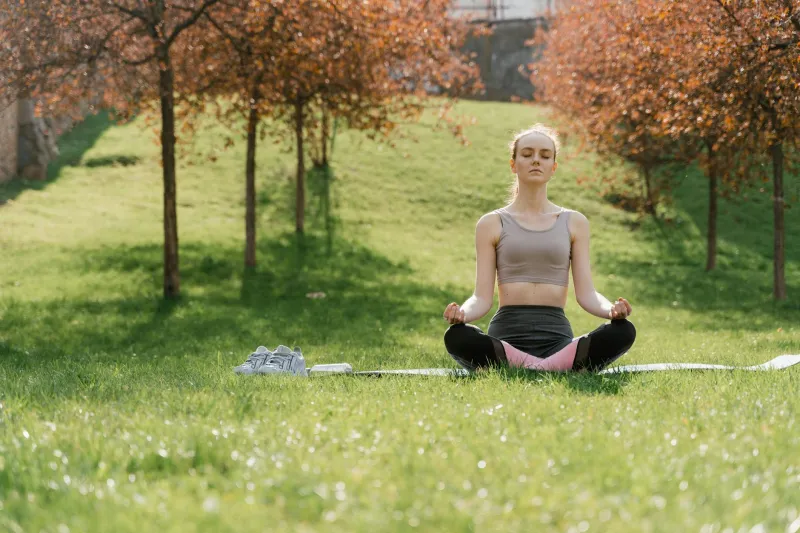
Your Heart's Secret Reset Button Lives in Your Lungs
Dr. Sarah Chen thought she'd seen it all in her 15 years as a cardiologist at Houston Methodist. Then came the pandemic, and suddenly her office was flooded with patients complaining of racing hearts, chest tightness, and that awful feeling like their heart might just jump out of their chest. The culprit? Anxiety was sending America's cardiovascular systems into overdrive.
But instead of immediately reaching for beta-blockers or anti-anxiety medications, Dr. Chen started prescribing something that costs absolutely nothing and works in under two minutes: strategic breathing.
"I was honestly skeptical at first," admits Dr. Chen. "But when I started seeing patients' heart rates drop 15-20 beats per minute in real-time on the monitor, just from breathing differently, I became a believer."
The Science Behind Your Body's Built-In Chill Pill
Here's what's happening inside your body when anxiety strikes: your sympathetic nervous system hits the gas pedal hard. Your heart rate spikes, blood pressure climbs, and stress hormones flood your system. It's like your cardiovascular system is stuck in traffic with its foot on the accelerator.
The breathing techniques cardiologists are now recommending work by activating your vagus nerve – think of it as your body's natural brake pedal. This wandering nerve connects your brain to your heart, and when you breathe in specific patterns, you're essentially sending a direct message: "Hey, we're safe here. Time to chill out."
Dr. Michael Rodriguez, a cardiologist at Cedars-Sinai, explains it this way: "When you do cyclic sighing or box breathing correctly, you're literally hacking your autonomic nervous system. You're taking manual control of something that usually runs on autopilot."
The Two Techniques That Are Changing Everything
Cyclic Sighing: The Quick Fix
This technique, backed by Stanford researchers, is stupidly simple but incredibly effective:
- Take a normal inhale through your nose
- When your lungs feel about 75% full, take a second, smaller sip of air
- Exhale slowly and completely through your mouth, making a gentle "ahh" sound
- Repeat for 2-3 minutes
"The double inhale is key," says Dr. Chen. "It maximizes the air sacs in your lungs and triggers a stronger calming response than regular deep breathing."
Box Breathing: The Navy SEAL Method
This technique, used by elite military units and now prescribed in cardiology clinics across America:
- Inhale through your nose for 4 counts
- Hold your breath for 4 counts
- Exhale through your mouth for 4 counts
- Hold empty for 4 counts
- Repeat the cycle for 2-5 minutes
Real Patients, Real Results
Jennifer Martinez, a 34-year-old marketing executive from Phoenix, was experiencing heart palpitations so severe she ended up in the ER three times in two months. Every test came back normal, but her heart would race to 140 beats per minute during panic attacks.
"My cardiologist taught me cyclic sighing, and I thought he was nuts," Jennifer recalls. "But when I tried it during my next panic attack, my heart rate went from 135 to 95 in less than three minutes. It felt like magic."
Tom Brennan, a 45-year-old teacher from Denver, had similar success with box breathing. "I keep my smartwatch on during faculty meetings now," he laughs. "When I see my heart rate climbing because of work stress, I do a few rounds of box breathing. My colleagues think I'm meditating, but I'm just preventing my heart from going haywire."
Why This Matters More Than You Think
Chronic anxiety doesn't just feel awful – it's genuinely hard on your heart. Studies show that people with anxiety disorders have a 26% higher risk of coronary heart disease. When your heart is constantly racing due to stress and anxiety, it's like forcing your engine to redline every day.
"We're seeing more and more patients where anxiety is the primary driver of their cardiovascular symptoms," notes Dr. Rodriguez. "Teaching them to regulate their nervous system through breathing often eliminates the need for cardiac medications entirely."
The Vagus Nerve: Your Heart's Best Friend
The vagus nerve is like a superhighway connecting your brain to your heart, lungs, and digestive system. When it's functioning well, it acts as your body's natural stress-buster. But modern life – with its constant notifications, traffic jams, and work pressure – keeps this nerve in a chronically suppressed state.
Controlled breathing exercises are like physical therapy for your vagus nerve. The more you practice, the stronger this nerve becomes at keeping your heart rate steady and your stress response balanced.
Making It Stick in Real Life
The beauty of these techniques is their simplicity, but that's also their weakness – people often dismiss them as "too easy" to work. Dr. Chen recommends starting small:
"Practice when you're already calm first," she advises. "Do it while watching TV or waiting for your coffee to brew. Then when anxiety hits, your body already knows the pattern."
Many of her patients set phone reminders to practice twice daily, treating it like taking vitamins – a small investment in their cardiovascular health that pays huge dividends.
The Bottom Line
Your breath might be the most underutilized tool in your health toolkit. While breathing exercises aren't a replacement for medical treatment when needed, they're giving both patients and cardiologists a powerful first-line defense against anxiety-driven heart problems.
As Dr. Chen puts it: "We've been looking for complex solutions to stress-related heart issues, but sometimes the most powerful medicine is literally right under our noses – or in this case, in our lungs."