The Sunday Scaries Are Doing More Than Ruining Your Weekend — They're Stressing Your Heart
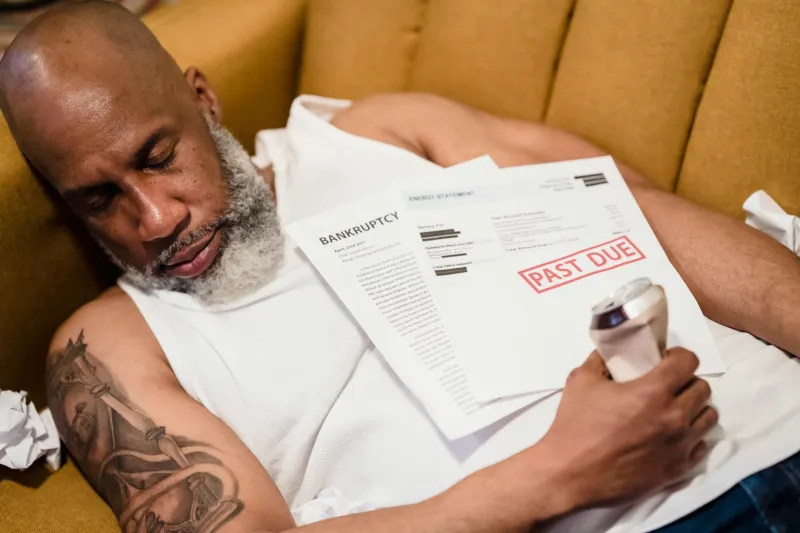
The Sunday Scaries Are Doing More Than Ruining Your Weekend — They're Stressing Your Heart
You know the feeling. It's 6 PM on Sunday, and that familiar knot starts forming in your stomach. The weekend's freedom is slipping away, replaced by the looming specter of Monday morning meetings, deadlines, and that endless inbox. Welcome to the Sunday Scaries — a phenomenon so universal that it's spawned countless memes, articles, and even its own hashtag.
But here's what those viral TikToks aren't telling you: that weekly anxiety attack isn't just messing with your mood. It's quietly launching a biochemical assault on your heart.
When Your Brain Writes Checks Your Heart Has to Cash
Recent research from the American Heart Association has uncovered something unsettling about our collective Sunday night ritual. That anticipatory dread triggers the same physiological response as acute stress — flooding your system with cortisol, jacking up your blood pressure, and throwing your heart rate variability completely out of whack.
Dr. Sarah Chen, a cardiologist at Johns Hopkins, puts it bluntly: "Your heart doesn't know the difference between a real tiger chasing you and the imaginary Monday morning from hell. Both trigger identical stress responses."
The numbers are staggering. A 2023 study tracking 2,400 working Americans found that 76% experience measurable cardiovascular changes every Sunday evening. We're talking blood pressure spikes averaging 15-20 points, cortisol levels rivaling those of people in actual crisis situations, and heart rate variability patterns that mirror chronic stress conditions.
The Weekly Heart Tax You Didn't Know You Were Paying
Here's where it gets really concerning. Unlike acute stress (which your body handles pretty well in short bursts), the Sunday Scaries create what researchers call "predictable chronic stress." Your cardiovascular system gets hit with the same biochemical cocktail 52 times a year, every year.
"It's like making your heart run a mini-marathon every single Sunday," explains Dr. Michael Rodriguez, who led the groundbreaking study at UCLA's Stress and Heart Health Institute. "Over time, this weekly assault can contribute to inflammation, arterial stiffness, and increased cardiovascular disease risk."
The physiological cascade goes something like this: Sunday anxiety triggers your sympathetic nervous system, releasing adrenaline and cortisol. Your heart rate jumps, blood vessels constrict, and inflammation markers spike. Meanwhile, your parasympathetic nervous system — the one responsible for "rest and digest" mode — gets completely suppressed.
Do this weekly for years, and you're essentially training your cardiovascular system to live in a state of chronic low-grade stress.
The Hidden Connection Between Job Satisfaction and Heart Health
Interestingly, the severity of Sunday Scaries isn't just about workload — it's deeply tied to job satisfaction and workplace culture. Americans who report high job satisfaction show minimal Sunday stress responses, while those in toxic work environments can see cortisol levels spike as early as Saturday afternoon.
"We're seeing Sunday anxiety start earlier and last longer in people who genuinely dread their work environment," notes Dr. Chen. "Some patients show elevated stress markers from Saturday evening through Tuesday morning."
This extended stress window is particularly concerning because it overlaps with what cardiologists call "Monday Morning Heart Attack Peak" — the well-documented phenomenon where cardiovascular events spike by 20% on Mondays compared to other weekdays.
Breaking the Cycle: Your Heart-Healthy Sunday Playbook
The good news? You don't have to quit your job to protect your heart from Sunday stress. Researchers have identified several science-backed strategies that can dramatically reduce the cardiovascular impact of anticipatory anxiety.
The Sunday Reset Ritual
Start by creating a structured Sunday evening routine that signals safety to your nervous system. This might include meal prepping (which reduces Monday morning decisions), laying out clothes, or doing a brief "week ahead" planning session. The key is predictability — your brain craves it.
The 4-7-8 Breathing Hack
When you feel that familiar Sunday dread creeping in, try the 4-7-8 breathing technique. Inhale for 4 counts, hold for 7, exhale for 8. This simple pattern activates your parasympathetic nervous system and can lower cortisol levels within minutes.
Strategic Sunday Scheduling
Avoid checking work emails or thinking about Monday tasks after 3 PM on Sunday. Research shows that even brief work-related thoughts can trigger measurable stress responses. Create a hard boundary and stick to it.
The Monday Morning Buffer
Schedule something genuinely enjoyable for Monday morning — whether it's a favorite coffee, a podcast you love, or just 15 minutes of something that brings you joy. This creates a positive association that can reduce Sunday anticipatory anxiety.
Your Heart Deserves Better Than Weekly Stress Attacks
The Sunday Scaries might feel inevitable, but your cardiovascular system doesn't have to pay the price. By understanding the real physiological cost of anticipatory stress and implementing targeted strategies, you can protect your heart while still navigating the realities of modern work life.
Remember: that Sunday night anxiety isn't just "all in your head." It's a real physiological response with measurable cardiovascular consequences. But with the right approach, you can break the cycle and give your heart the weekend recovery it deserves.
Because honestly? Your heart has been working hard all week too. It deserves a real day off.