Spice Up Your Heartbeat: The Surprisingly Powerful Cardio Benefits Hiding in Your Spice Rack
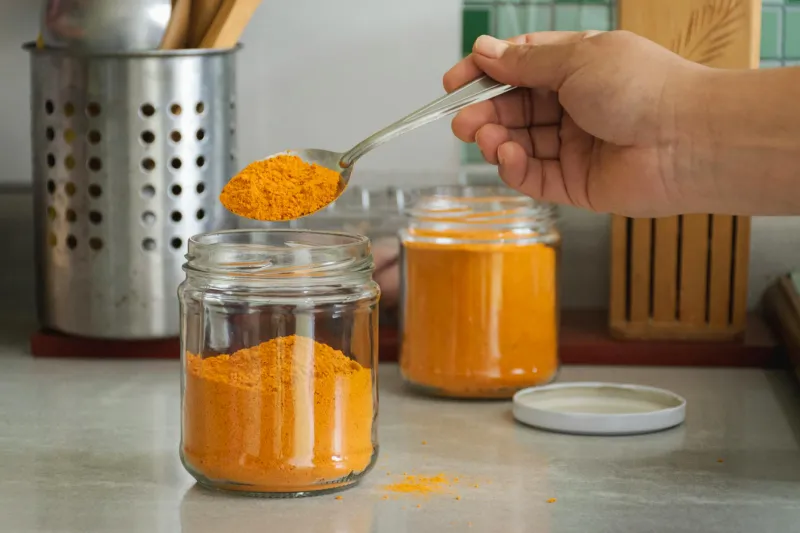
Forget expensive supplements and complicated heart-healthy meal plans. The most powerful cardiovascular medicine in your house might be sitting right next to your salt and pepper, collecting dust since that ambitious cooking phase you had in 2019.
Turns out, your spice rack isn't just about making food taste good—it's a legitimate pharmacy of heart-protective compounds that researchers are finally taking seriously. And the numbers are kind of mind-blowing.
The Turmeric Truth Bomb
Let's start with the golden child of the spice world: turmeric. You've probably seen it hyped on Instagram wellness accounts, but the cardiovascular research is actually backing up the buzz.
A recent meta-analysis of 15 clinical trials found that people who consumed just one teaspoon of turmeric daily saw their LDL ("bad") cholesterol drop by an average of 12 mg/dL. To put that in perspective, that's about half the effect of a low-dose statin—from a spice that costs $3 at the grocery store.
The magic ingredient is curcumin, a compound that reduces arterial inflammation and prevents the oxidation of cholesterol that makes it stick to artery walls. But here's the catch that supplement companies don't want you to know: curcumin is barely absorbed by your body unless you pair it with black pepper.
"The piperine in black pepper increases curcumin absorption by up to 2000%," explains Dr. Raj Patel, a cardiologist at UCLA who studies nutritional cardiology. "That's why traditional Indian cooking always combines turmeric with pepper. They figured out the biochemistry centuries before we did."
Practical dose: 1 teaspoon turmeric + a pinch of black pepper, daily. Mix it into scrambled eggs, roasted vegetables, or that trendy golden milk latte.
Cayenne: The Heat That Heals
If you think spicy food is bad for your heart, prepare to have your mind changed. Cayenne pepper—and its active compound capsaicin—is showing up in cardiovascular research as a legitimate therapeutic agent.
A massive study following 570,000 people across four countries found that those who ate spicy food 6-7 times per week had a 14% lower risk of death from heart disease compared to people who ate spicy food less than once per week.
The mechanism is fascinating: capsaicin triggers the release of substance P, which dilates blood vessels and improves circulation. It also activates TRPV1 receptors that help regulate blood pressure and reduce arterial stiffness.
"I have patients who've seen 10-15 point drops in systolic blood pressure just from adding cayenne to their daily routine," says Dr. Maria Santos, a preventive cardiologist in Phoenix. "The effect is measurable and consistent."
Practical dose: Start with 1/8 teaspoon daily and work up to 1/2 teaspoon. Add it to chocolate (seriously), sprinkle on eggs, or mix into tomato-based sauces.
Cinnamon's Sweet Deception
Cinnamon might taste like dessert, but it's working overtime to protect your cardiovascular system. Multiple studies show that just half a teaspoon daily can reduce fasting blood glucose by 10-29% and lower total cholesterol by 7-27%.
The compound responsible is called cinnamaldehyde, which improves insulin sensitivity and reduces the chronic low-grade inflammation that damages arteries over time.
But here's the plot twist: not all cinnamon is created equal. Ceylon cinnamon ("true" cinnamon) contains much lower levels of coumarin, a compound that can be toxic to your liver in large amounts. Cassia cinnamon—the cheap stuff in most grocery stores—is loaded with coumarin.
"If you're using cinnamon medicinally, spend the extra few dollars on Ceylon," advises Dr. Patel. "Your liver will thank you."
Practical dose: 1/2 teaspoon Ceylon cinnamon daily. Mix into coffee, oatmeal, or Greek yogurt. Pro tip: it's amazing in savory dishes like chili or roasted sweet potatoes.
Garlic: The Stinky Superstar
Garlic has been used medicinally for over 4,000 years, and modern science is validating what ancient healers knew instinctively. Fresh garlic contains allicin, a sulfur compound that's been shown to reduce blood pressure, lower cholesterol, and prevent blood clots.
A comprehensive review of 39 studies found that garlic supplementation reduced systolic blood pressure by an average of 8.6 mmHg and diastolic pressure by 6.1 mmHg. That might not sound dramatic, but it's clinically significant—equivalent to many first-line blood pressure medications.
The key is fresh garlic, crushed or chopped and allowed to sit for 10 minutes before cooking. This activates the enzyme alliinase, which converts alliin to allicin.
"Garlic pills are convenient, but they're not nearly as effective as fresh garlic prepared properly," notes Dr. Santos. "The processing destroys much of the active compound."
Practical dose: 1-2 fresh cloves daily, crushed and allowed to rest before cooking. Add to basically everything—vegetables, proteins, salad dressings.
The Supplement Scam
Here's where things get interesting. While the research on whole spices is compelling, the supplement industry has predictably swooped in with concentrated extracts promising even bigger benefits.
Don't fall for it.
"Isolated compounds often don't work the same way as whole foods," explains Dr. Jennifer Liu, a nutritional biochemist at Harvard. "Spices contain hundreds of bioactive compounds that work synergistically. When you isolate just one, you lose that complexity."
Plus, supplement quality is wildly inconsistent, and many don't contain the amounts listed on the label. A 2019 analysis found that 74% of turmeric supplements contained less curcumin than advertised.
Stick with real food. It's cheaper, safer, and more effective.
Building Your Heart-Healthy Spice Strategy
The goal isn't to choke down spoonfuls of spices like medicine. It's to strategically incorporate them into foods you already enjoy.
Start with one spice and use it consistently for a month. Track how you feel, and if you're monitoring blood pressure or cholesterol, watch for changes. Then add another.
The compounds in these spices are cumulative—meaning the benefits build over time with consistent use. You're not going to see dramatic changes overnight, but give it 6-8 weeks of daily use and the effects become measurable.
Your heart doesn't care if your cooking is Instagram-worthy. It just cares that you're feeding it the compounds it needs to stay strong, flexible, and inflammation-free.
Time to dust off that spice rack and put it to work.