The Midnight Snack Trap: Why Eating After 9 PM Is Playing Dirty Tricks on Your Heart
Your Heart Has a Bedtime Too
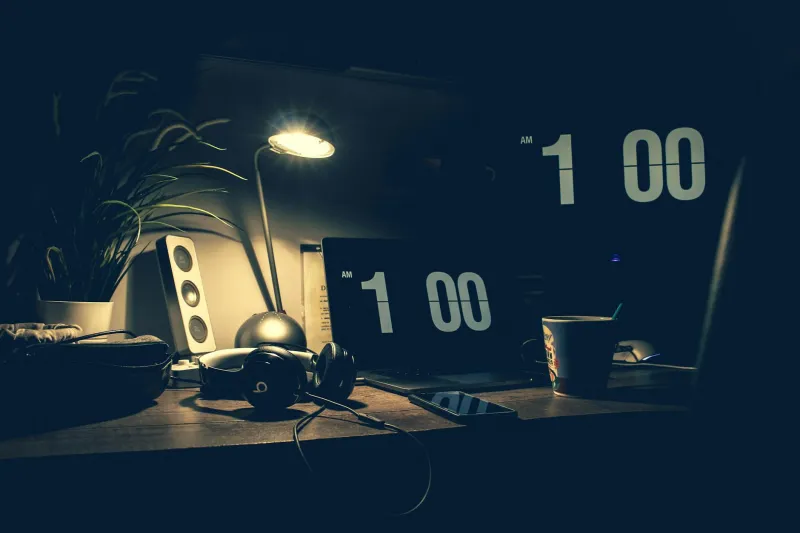
Picture this: It's 10:30 PM, you're binge-watching your latest Netflix obsession, and suddenly you're hit with an undeniable craving for something crunchy, sweet, or both. Sound familiar? If you're like 75% of Americans who regularly eat after 8 PM, you might want to hear what your heart has to say about those late-night kitchen raids.
Turns out, your cardiovascular system isn't just passively along for the ride during your midnight munchies. It's actively working overtime, and the bill is coming due in ways that might surprise you.
The Science Behind Your Body's Internal Rebellion
Here's where things get interesting: your heart operates on its own internal clock, just like the rest of your body. This circadian rhythm isn't just about feeling sleepy when the sun goes down – it's a sophisticated biological system that regulates everything from blood pressure to metabolism.
When you eat late at night, you're essentially forcing your cardiovascular system to work the night shift when it's biologically programmed to wind down. Recent studies from Harvard Medical School and the American Heart Association have found that people who regularly eat after 9 PM show significantly higher blood pressure readings and more irregular heart rhythms compared to those who wrap up eating by 7 PM.
"Think of it like asking your heart to run a marathon when it's already in pajamas," explains Dr. Sarah Chen, a cardiologist at Johns Hopkins who's been studying circadian eating patterns. "Your body expects to repair and restore during nighttime hours, not digest a turkey sandwich."
The Domino Effect Nobody Talks About
The plot thickens when you consider what most Americans are reaching for during those late-night snack attacks. Spoiler alert: it's rarely a handful of almonds.
According to the National Sleep Foundation, the most common after-9-PM foods include ice cream, chips, cookies, and leftover pizza – basically everything your heart wishes you'd avoid even during daylight hours. But the timing makes these choices exponentially more problematic.
When you eat these processed, high-sodium, high-sugar foods late at night, your body struggles to process them efficiently. Your insulin response becomes sluggish, your blood sugar spikes higher and stays elevated longer, and your blood pressure can remain elevated well into the next day.
This creates what researchers call "metabolic stress" – essentially putting your cardiovascular system in a constant state of low-level emergency. Over time, this pattern contributes to inflammation, irregular heart rhythms, and increased risk of hypertension.
The American Late-Night Eating Epidemic
Let's be real about how we actually live. Between long commutes, demanding work schedules, and the endless scroll of social media, many Americans don't sit down for dinner until 8 or 9 PM anyway. Add in our cultural love affair with late-night TV snacking (looking at you, Super Bowl Sunday), and you've got a recipe for cardiovascular chaos.
The problem isn't just what we're eating – it's when we're eating it. A study published in the Journal of the American Heart Association found that even healthy foods eaten after 10 PM can trigger blood pressure spikes in people with existing cardiovascular risk factors.
This is particularly relevant for the millions of Americans who work irregular schedules. Night shift workers, healthcare professionals, and anyone whose schedule doesn't align with traditional meal times face unique challenges that go beyond simple willpower.
Your Heart's Midnight Survival Guide
Before you panic about every late-night snack you've ever consumed, here's the good news: small changes can make a big difference, and you don't have to become a meal-prep perfectionist overnight.
The 3-Hour Rule: Aim to finish eating at least three hours before bedtime. If you typically sleep at 11 PM, try to wrap up food by 8 PM. This gives your body time to process food before your cardiovascular system shifts into repair mode.
Smart Swaps That Actually Satisfy: If late-night hunger strikes, reach for options that won't send your heart into overdrive. A small portion of Greek yogurt with berries, a handful of nuts, or even a piece of whole grain toast with a thin spread of almond butter can curb cravings without triggering metabolic stress.
Hydration Reality Check: Sometimes what feels like hunger is actually dehydration. Try drinking a glass of water and waiting 10 minutes before reaching for food. Your heart will thank you for the break.
The Bottom Line Your Heart Wants You to Know
Your cardiovascular system is incredibly resilient, but it's not invincible. Those seemingly harmless late-night snacking habits might be creating more stress on your heart than you realize.
The beauty of this particular health hack is that it doesn't require expensive supplements, complicated meal plans, or gym memberships. It's simply about working with your body's natural rhythms instead of against them.
Your heart has been keeping perfect time since before you were born. Maybe it's time to start listening to its schedule.
Next time you're tempted by that 10 PM ice cream run, remember: your heart might be whispering, but the message is loud and clear. Give it the downtime it deserves, and it'll keep beating strong for all the late-night Netflix sessions to come – just maybe without the snacks.