Your Heart Is Whispering — Here's How to Actually Hear It
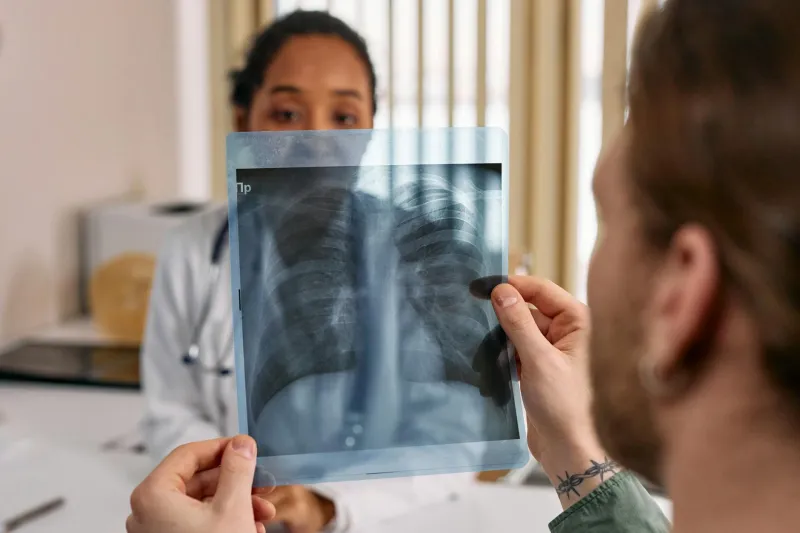
Your Heart Is Whispering — Here's How to Actually Hear It
Let's get one thing straight: heart disease doesn't always announce itself with a dramatic Hollywood moment. No clutching your chest, no collapsing at the dinner table. In fact, the most dangerous cardiac warning signs are often the ones that feel like… nothing much at all. A little tired. A weird ache in your jaw. Ankles that seem a bit puffier than usual.
Here's the scary part — heart disease remains the number one killer of Americans, claiming roughly 700,000 lives every year according to the CDC. And yet, a huge chunk of those deaths are preceded by symptoms that got brushed off, ignored, or chalked up to stress and aging. That ends today.
We've rounded up 10 of the sneakiest signals your cardiovascular system might be sending you right now — and spoiler: most people completely miss number seven.
1. Jaw Pain That Comes Out of Nowhere
You haven't been grinding your teeth. You didn't sleep weird. But there's this dull, persistent ache creeping along your jaw or even down your neck. Sound familiar?
This one throws people off constantly, and cardiologists say it shouldn't. Pain radiating to the jaw — especially in women — is a well-documented symptom of a heart attack in progress. The vagus nerve connects your heart to your head and neck, meaning cardiac distress can masquerade as dental drama. If your dentist can't find a cause, get your heart checked.
2. Extreme Fatigue That Sleep Doesn't Fix
We're not talking about post-Monday-morning grogginess. We mean bone-deep exhaustion that hits you after doing almost nothing — walking to the mailbox, climbing one flight of stairs, making lunch.
"When the heart isn't pumping efficiently, the body diverts blood away from muscles and non-essential systems," explains Dr. Nieca Goldberg, a cardiologist and clinical associate professor at NYU Langone Health. "That creates a profound sense of tiredness that rest simply doesn't resolve."
This symptom is especially common in women experiencing heart failure or pre-heart attack conditions — and it's dismissed as burnout far too often.
3. Swollen Ankles and Feet
Tight shoes at the end of the day? Maybe. But consistent swelling in your lower legs, ankles, or feet — particularly if it's new or worsening — can signal that your heart is struggling to push blood back up from your extremities. This is a hallmark of heart failure, where fluid backs up into the tissues. Press your finger into the swollen area; if it leaves an indent, that's called pitting edema, and it warrants a doctor's visit ASAP.
4. A Persistent Dry Cough
You've ruled out a cold. You're not a smoker. But there's this nagging cough that just won't quit — especially when you lie down at night. Fluid accumulating in the lungs (a condition called pulmonary edema, often tied to heart failure) can trigger exactly this kind of cough. Some people even notice a slight wheeze or frothy mucus. If your cough has no respiratory explanation, loop in a cardiologist.
5. Heart Palpitations You Keep Dismissing
That fluttery, skippy, "my heart just did something weird" sensation. Most of the time, palpitations are harmless — triggered by caffeine, anxiety, or dehydration. But when they become frequent, last more than a few seconds, or come with dizziness or shortness of breath, they could point to an arrhythmia like atrial fibrillation (AFib). AFib affects over 6 million Americans and dramatically increases stroke risk. Don't just wait for it to pass.
6. Shortness of Breath Doing Normal Tasks
If you're winded after climbing stairs you used to take without a second thought, your heart and lungs may be having a serious conversation you're not part of yet. Reduced cardiac output means less oxygen-rich blood reaches your muscles — and your body lets you know by gasping for more air. This symptom often precedes a diagnosis of coronary artery disease or heart failure.
7. Nausea, Indigestion, or Stomach Pain (Yes, Really)
Here it is — the one that trips people up the most. Gastrointestinal symptoms during a cardiac event are shockingly common, especially in women, and almost universally dismissed as acid reflux or a bad meal.
During a heart attack, the heart's lower wall can press against the stomach, triggering nausea, vomiting, or a burning sensation in the upper abdomen. "I've had patients who took antacids for hours before realizing they were having a heart attack," says Dr. Suzanne Steinbaum, a preventive cardiologist and American Heart Association spokesperson. "If your stomach symptoms come with any other unusual feelings — sweating, jaw pain, fatigue — please call 911."
This is the one people miss. Every single time.
8. Dizziness or Lightheadedness
Sudden dizziness — the kind where you grab a wall — can indicate that your heart isn't pumping enough blood to your brain. This can be caused by arrhythmias, low blood pressure tied to heart valve issues, or even a ministroke (TIA) related to underlying cardiovascular disease. One dizzy spell might be nothing. Recurring episodes? That's your body's 911 call.
9. Cold Sweats for No Reason
Breaking into a cold, clammy sweat without exertion or fever is your nervous system going into overdrive — often in response to the heart struggling to maintain circulation. It's one of the classic "silent" signs of a heart attack that gets written off as anxiety. If it comes with any other symptoms on this list, treat it as a medical emergency.
10. Pain or Discomfort in Your Upper Back
Women, in particular, are more likely to experience heart attack symptoms that radiate to the upper back rather than the classic left-arm pattern. A dull, pressure-like ache between the shoulder blades — especially combined with fatigue or shortness of breath — deserves immediate medical attention, not a heating pad.
So What Do You Do With All This?
First, don't panic — but do pay attention. Your body is remarkably good at signaling when something is off. The problem is we've been trained to ignore the subtle stuff.
If you notice two or more of these symptoms appearing together, or if any single symptom is new, worsening, or unexplained, the move is simple: call your doctor. If it's acute — sudden, severe, or rapidly escalating — call 911. Don't drive yourself to the ER.
And perhaps most importantly? Know your numbers. Blood pressure, cholesterol, resting heart rate, blood sugar. These aren't just stats for older adults. Heart disease is increasingly showing up in Americans in their 30s and 40s, and awareness is your single most powerful tool.
Your heart keeps a pretty relentless schedule — 100,000 beats a day, every day, without a day off. The least we can do is listen when it's trying to tell us something.
Talk to your healthcare provider if you're experiencing any of the symptoms described above. This article is for informational purposes only and does not constitute medical advice.