The Happy Hour Habit That's Quietly Messing With Your Heart Rhythm
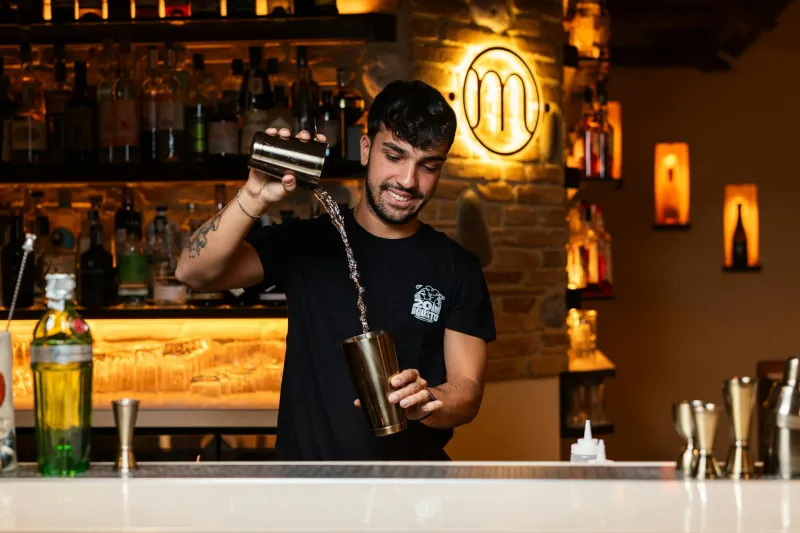
The 5 PM Fix That's Breaking Your Heart's Beat
Picture this: it's Thursday evening, you've survived another brutal week, and your coworkers are already claiming their usual spot at the corner bar. Three drinks later, you're feeling loose, laughing at Kevin's terrible dad jokes, and completely unaware that your heart is staging a quiet rebellion against your happy hour routine.
Cardiologists across America are sounding the alarm about a phenomenon they're seeing more frequently in their offices — and it's not just affecting the heavy drinkers. That seemingly innocent after-work ritual of "a few drinks" is creating electrical havoc in hearts from coast to coast, triggering a condition that was once reserved for holiday binge drinking but has now become a year-round concern.
When Your Heart Skips More Than Just a Beat
Meet "holiday heart syndrome" — except it's not waiting for Christmas anymore. Originally coined in the 1970s to describe the heart rhythm chaos that emergency rooms saw after major holidays, this condition is now showing up in the daily lives of millions of Americans who consider themselves moderate drinkers.
Dr. Sarah Chen, a cardiologist at Johns Hopkins, puts it bluntly: "I'm seeing patients in their 30s and 40s who come in panicked because their Apple Watch is telling them their heart rhythm is irregular. When we dig into their lifestyle, it's almost always connected to consistent alcohol consumption — not necessarily heavy drinking, just regular drinking."
The culprit? Atrial fibrillation, or AFib — a condition where your heart's upper chambers start beating chaotically instead of in sync. Think of it like your heart's electrical system getting drunk right along with you, sending mixed signals that can persist long after you've sobered up.
The Science Behind Your Cocktail's Cardiac Chaos
Here's what's actually happening inside your chest during those seemingly harmless happy hours: alcohol acts like a cardiac troublemaker, disrupting the delicate electrical pathways that keep your heart beating in perfect rhythm.
When you drink, your body experiences a cascade of changes. Your blood pressure drops initially, then rebounds higher than before. Your nervous system gets overstimulated. Most critically, alcohol directly affects the heart muscle cells, making them more "excitable" — and not in a good way.
Recent studies from the University of California San Francisco found that even one alcoholic drink can increase your risk of an AFib episode within the next four hours by 40%. Two drinks? That risk jumps to 60%. Three drinks push it to a staggering 75% increase.
"We used to think this was a dose-dependent relationship — more drinks, more problems," explains Dr. Michael Rodriguez, a cardiac electrophysiologist at Cleveland Clinic. "But we're learning that some people are sensitive to even small amounts of alcohol when it comes to heart rhythm disruption."
The Millennial Heart Crisis Hiding in Plain Sight
The data is particularly alarming for younger Americans. AFib diagnoses in people under 50 have increased by 23% over the past decade, with lifestyle factors — particularly alcohol consumption patterns — playing a starring role.
Consider the typical American professional's week: Monday night wine with dinner, Wednesday drinks with colleagues, Friday happy hour, Saturday night out, Sunday brunch mimosas. What feels like "social drinking" to most people is actually creating a near-constant state of cardiac stress.
"Your heart doesn't get days off," notes Dr. Chen. "When you're drinking multiple times per week, you're essentially keeping your cardiovascular system in a chronic state of irritation."
Beyond the Immediate: Long-Term Heart Consequences
The scary part isn't just the immediate rhythm disruption — it's what happens when this becomes a pattern. Chronic alcohol-induced AFib can lead to blood clots, stroke, and heart failure. Even worse, each episode makes future episodes more likely, creating a cycle that becomes increasingly difficult to break.
Young professionals are particularly vulnerable because AFib symptoms can be subtle or mistaken for anxiety. Racing heart after drinks? Must be stress. Feeling winded after climbing stairs the morning after happy hour? Probably just out of shape.
"I've had patients dismiss symptoms for months because they attributed everything to work stress or lack of sleep," says Dr. Rodriguez. "Meanwhile, their heart was crying for help."
The Wind-Down Alternatives Your Heart Will Actually Thank You For
Before you start panicking about never enjoying another drink, let's get real about sustainable alternatives that actually deliver the post-work decompression you're craving.
The Mocktail Revolution: Craft non-alcoholic cocktails aren't just trendy — they're scientifically designed to trigger relaxation responses without the cardiac chaos. Try a lavender-infused sparkling water with muddled berries, or a complex ginger-turmeric mocktail that actually reduces inflammation.
The 10-Minute Movement Break: Instead of heading straight to the bar, try a quick walk around the block or a few minutes of stretching. Physical movement naturally reduces cortisol levels and triggers the same "ahh" feeling you get from that first sip.
The Social Swap: Meet friends for coffee shop hangouts, fitness classes, or early dinner instead of drinks. You'll still get the social connection without the cardiovascular cost.
The Mindful Moment: Apps like Headspace or Calm offer specific "end of workday" meditations that can shift your nervous system from fight-or-flight to rest-and-digest in just five minutes.
The Bottom Line for Your Heart
This isn't about becoming a teetotaler or judging anyone's lifestyle choices. It's about understanding that your heart is keeping score of every decision, and those scores add up faster than you might think.
If you're experiencing any irregular heartbeat, especially after drinking, don't write it off as normal. Your heart might be trying to tell you something important — and unlike your liver, it doesn't get a chance to regenerate.
The good news? Your heart is incredibly resilient. Make some changes now, and you might be surprised how quickly it bounces back to its natural, steady rhythm. After all, the best happy hour is the one where your heart stays happy too.