Eat the Rainbow, Save Your Heart: The Color-Coded Diet Cardiologists Are Secretly Following
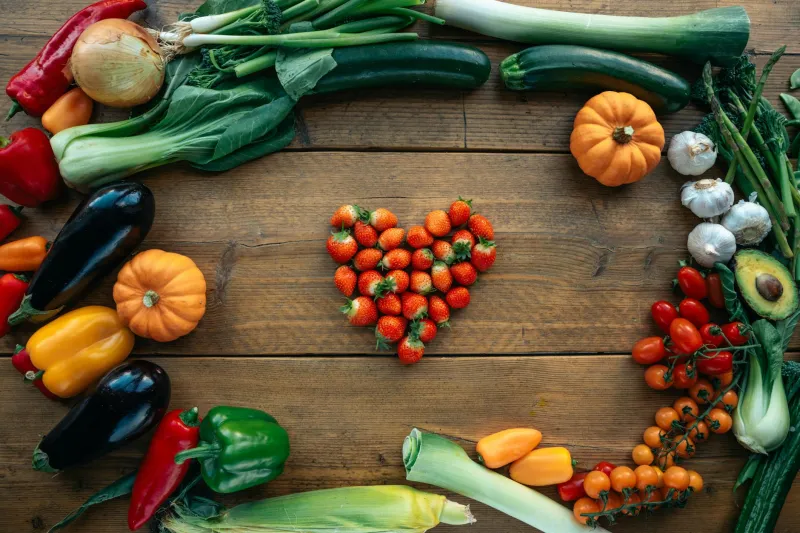
The Pigment Prescription That's Changing Heart Medicine
Forget everything you think you know about heart-healthy eating. While most Americans are still obsessing over calories and carbs, cutting-edge cardiologists have discovered something far more powerful hiding in plain sight: the natural pigments that make fruits and vegetables so visually stunning are also cardiovascular superpowers.
Dr. Lisa Thompson, a preventive cardiologist at Mayo Clinic, puts it bluntly: "I've stopped talking to patients about serving sizes and started talking about color variety. The research is overwhelming — the more colors you eat, the better your heart performs."
 Photo: Mayo Clinic, via www.mayoclinic.org
This isn't just feel-good nutrition advice. Recent studies tracking over 100,000 Americans for two decades found that people who ate the most colorfully diverse diets had 32% fewer heart attacks and 28% lower rates of cardiovascular death compared to those eating monochrome meals.
Red Alert: The Tomato Compound That Fights Arterial Aging
Let's start with red — specifically, the lycopene that gives tomatoes, watermelon, and red bell peppers their vibrant hue. This powerful antioxidant doesn't just sit pretty on your plate; it actively patrols your arteries, neutralizing the free radicals that cause cardiovascular aging.
New research from Harvard's T.H. Chan School of Public Health shows that people with the highest blood levels of lycopene have arteries that function like they're 10 years younger than their chronological age. Even more impressive? Cooked tomatoes deliver more bioavailable lycopene than raw ones, meaning your heart actually benefits more from marinara sauce than fresh tomato salad.
 Photo: Harvard's T.H. Chan School of Public Health, via hsph.harvard.edu
Dr. Michael Rodriguez, a cardiologist at Cedars-Sinai, explains: "Lycopene essentially acts like internal sunscreen for your cardiovascular system, protecting against oxidative damage that leads to atherosclerosis."
Orange You Glad: Beta-Carotene's Secret Heart Powers
Orange and yellow foods pack a different cardiovascular punch thanks to beta-carotene and other carotenoids. Carrots, sweet potatoes, cantaloupe, and yellow bell peppers contain compounds that your body converts into vitamin A — but the heart benefits go far beyond basic nutrition.
Recent studies show that people who eat orange-colored produce five or more times per week have significantly lower levels of C-reactive protein, a key inflammation marker linked to heart disease. The mechanism is fascinating: carotenoids actually embed themselves in arterial walls, creating a protective barrier against inflammatory damage.
Purple Reign: Anthocyanins and the Blueberry Effect
Purple and blue foods might be the most potent cardiovascular protectors of all. The anthocyanins responsible for deep purple hues in blueberries, blackberries, eggplant, and red cabbage have been shown to improve blood vessel function within hours of consumption.
A groundbreaking study published in the American Journal of Clinical Nutrition found that people who ate just one cup of blueberries daily for eight weeks showed measurable improvements in arterial stiffness — a key predictor of future heart problems. The effect was so pronounced that researchers could detect changes in blood vessel flexibility using ultrasound imaging.
"Anthocyanins are like a tune-up for your endothelium," explains Dr. Thompson. "They help blood vessels relax and contract more efficiently, which translates to better blood flow and lower blood pressure."
Green Machine: Chlorophyll's Cardiovascular Magic
Green vegetables bring their own unique heart benefits through chlorophyll and compounds like lutein. But here's what most people don't realize: the darker the green, the more cardiovascular protection you're getting.
Spinach, kale, and other dark leafy greens contain nitrates that your body converts to nitric oxide — a molecule that helps blood vessels dilate and reduces blood pressure naturally. This is the same mechanism that makes beets so effective for athletic performance, but the heart benefits extend far beyond the gym.
Research shows that people who eat dark leafy greens daily have a 15% lower risk of developing coronary artery disease compared to those who rarely eat green vegetables.
White Out: The Underestimated Allium Family
White and light-colored vegetables often get overlooked in the rainbow conversation, but garlic, onions, cauliflower, and mushrooms bring their own cardiovascular benefits through sulfur compounds and other unique phytochemicals.
Garlic, in particular, has been shown to reduce blood pressure almost as effectively as some prescription medications. The allicin compound responsible for garlic's pungent smell also helps prevent blood clots and reduces arterial plaque buildup.
The Practical Rainbow: Building Your Color Strategy
So how do you actually implement this color-coded approach to heart health? Leading cardiologists recommend what they call the "5-Color Rule": aim to eat at least five different colors of fruits and vegetables every day.
Here's a simple framework:
- Breakfast: Add berries (purple) to your oatmeal
- Lunch: Include a salad with mixed greens (green) and cherry tomatoes (red)
- Snack: Grab an orange (orange) or some baby carrots
- Dinner: Serve roasted vegetables in multiple colors as a side dish
"The beauty of eating by color is that it's intuitive," says Dr. Rodriguez. "You don't need to count anything or calculate ratios. You just need to make your plate look like a rainbow."
The Bottom Line: Your Heart Sees in Color
The emerging science is clear: the pigments that make fruits and vegetables beautiful are the same compounds that make them heart-protective. By eating a diverse range of colors, you're essentially giving your cardiovascular system a full spectrum of protective compounds that work synergistically to keep your heart healthy.
Your grocery cart should look like an artist's palette — not just because it's Instagram-worthy, but because your heart literally depends on it.