The Bottom Number That's More Important Than Your Doctor Told You
The Number Everyone Ignores
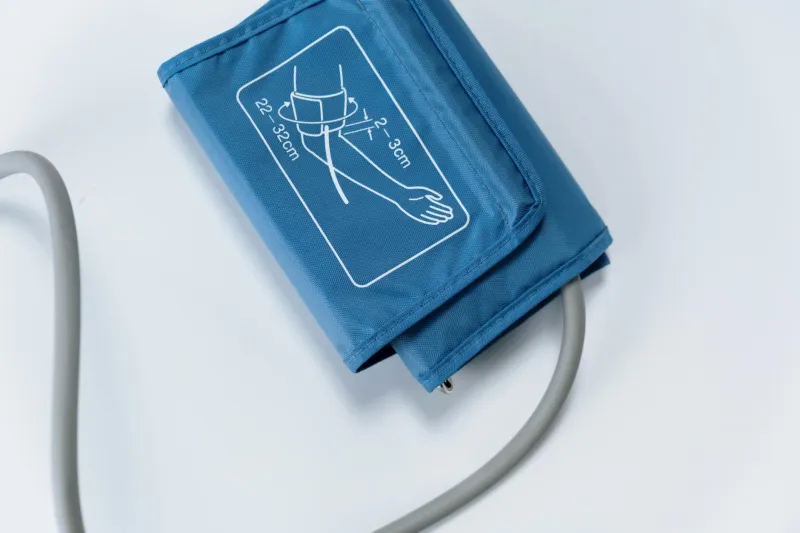
You walk into your doctor's office, they wrap that familiar cuff around your arm, and a few seconds later you hear something like "120 over 80." Most of us focus on that first number — systolic pressure — because it's bigger, bolder, and frankly gets all the attention. But here's what's wild: that second number, your diastolic pressure, might actually be the more important one for your long-term heart health.
Diastolic pressure measures the force in your arteries when your heart rests between beats. Think of it as the baseline pressure that's constantly there, 24/7, even when your heart is taking its mini-breaks. And according to recent research, this "resting" pressure is becoming a stronger predictor of future cardiovascular events than we ever realized.
Why Your Heart's Downtime Matters More
Dr. Sarah Chen, a cardiologist at Mount Sinai, puts it this way: "Systolic pressure is like a wave — it comes and goes. But diastolic pressure is like the tide that never recedes. That constant pressure is what really wears down your arterial walls over time."
The American Heart Association has been quietly shifting its focus toward diastolic readings, especially for people under 50. Why? Because elevated diastolic pressure often shows up years before systolic issues develop. It's like your cardiovascular system's early warning signal.
Here's the breakdown most doctors don't have time to explain:
- Normal diastolic: Under 80 mmHg
- Elevated: 80-89 mmHg (this is where things get interesting)
- Stage 1 hypertension: 90-99 mmHg
- Stage 2 hypertension: 100+ mmHg
But here's the kicker — even being in that "elevated" zone (80-89) can increase your risk of heart disease by 20-30% over the next decade.
The Lifestyle Hacks That Actually Move the Needle
The good news? Diastolic pressure responds faster to lifestyle changes than systolic pressure. It's like your cardiovascular system's most trainable metric.
The Potassium Power Play: Most Americans get about half the potassium they need. Adding just one banana, a handful of spinach, or half an avocado daily can drop diastolic pressure by 2-4 points within weeks. The magic number? Aim for 3,500-4,000mg daily.
The Stress Reset: Chronic stress keeps your diastolic pressure elevated even during "relaxed" moments. But here's what works: just 10 minutes of deep breathing daily can lower your resting diastolic by 5-8 points. The Navy SEALs use box breathing (4 counts in, hold 4, out 4, hold 4), and it turns out this technique is gold for cardiovascular health too.
The Sodium Shuffle: You've heard "cut salt" a million times, but the real game-changer is the sodium-to-potassium ratio. Instead of obsessing over salt elimination, focus on adding more potassium-rich foods. Your diastolic pressure will thank you.
The Hidden Culprits Sabotaging Your Numbers
Dehydration: Even mild dehydration (think: that slightly thirsty feeling) can bump your diastolic pressure up by 5-10 points. Your blood gets thicker, your heart works harder, and that "resting" pressure climbs.
Sleep debt: Missing just one hour of sleep per night can keep your diastolic pressure elevated the entire next day. Sleep isn't just recovery — it's when your cardiovascular system literally resets.
The afternoon caffeine trap: That 2 PM coffee might give you energy, but it can keep your diastolic pressure elevated for 6-8 hours. If you're checking your BP in the evening, that afternoon latte is still in your system.
What the Numbers Really Mean for Your Future
Here's the reality check: if your diastolic pressure consistently runs above 85, you're looking at a 40% higher risk of stroke and a 25% higher risk of heart attack over the next 15 years, even if your systolic pressure looks normal.
But flip that around — getting your diastolic pressure into the optimal range (under 75) can actually reverse some of the arterial damage that's already happened. Your blood vessels become more flexible, your heart doesn't have to work as hard during its "rest" periods, and your overall cardiovascular system gets a chance to heal.
The Bottom Line on the Bottom Number
Your diastolic pressure is like your heart's report card for how well you're managing stress, sleep, nutrition, and hydration. It's responsive, trainable, and honestly more forgiving than systolic pressure when you make positive changes.
Next time you get your blood pressure checked, ask about that bottom number. Ask what it means for you specifically. And remember — while everyone else is obsessing over the big number at the top, you'll know that the real story is happening down below.