The Mouth-Heart Highway: Why Your Gums Are Your Cardiologist's New Best Friend
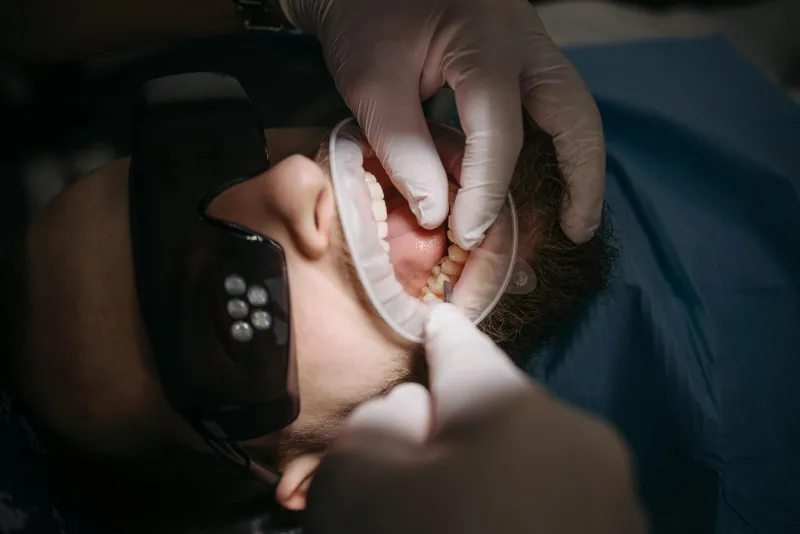
The Bacterial Highway You Never Knew Existed
Your mouth and your heart seem about as connected as your elbow and your ankle — completely separate body parts doing their own thing. But cardiovascular researchers are discovering that your gums might be one of the most underrated windows into your heart health, and the bacteria living in your mouth could be plotting against your cardiovascular system in ways that would make a thriller novelist jealous.
Here's the plot twist that's reshaping both dentistry and cardiology: the same inflammatory processes that destroy your gums are remarkably similar to those that attack your arteries. It's not just correlation — scientists are finding actual oral bacteria embedded in arterial plaques, suggesting a direct biological highway between your mouth and your heart.
The Inflammation Connection That Changes Everything
Dr. Thomas Van Dyke, a researcher at the Forsyth Institute who's spent decades studying oral-systemic health connections, puts it simply: "Periodontal disease and cardiovascular disease are essentially inflammatory cousins. They share common pathways, common risk factors, and increasingly, we're finding they share common bacteria."
When your gums become inflamed — whether from poor oral hygiene, genetics, or lifestyle factors — they become a gateway for bacteria to enter your bloodstream. These oral bacteria don't just pass harmlessly through your system. They can trigger inflammatory responses throughout your body, including in your arteries.
Recent studies have found that people with severe gum disease have a 25% higher risk of heart disease, even after controlling for other cardiovascular risk factors. That's not a small bump — that's a significant enough increase that some cardiologists are now routinely asking patients about their oral health.
The Bacteria That Commute to Your Heart
The specific villains in this story have names: Porphyromonas gingivalis, Aggregatibacter actinomycetemcomitans, and Tannerella forsythia. These aren't just random oral bacteria — they're the heavy hitters of gum disease, and researchers keep finding them in unexpected places.
Dr. Steve Offenbacher, a periodontist and cardiovascular researcher at UNC Chapel Hill, has been tracking these bacterial migrants for years. "We're literally finding oral bacteria embedded in arterial plaques removed during heart surgery," he explains. "These bacteria aren't just passing through — they're taking up residence in cardiovascular tissue."
Once these oral bacteria reach your arteries, they can contribute to plaque formation, increase inflammation, and even make existing plaques more likely to rupture — the process that triggers most heart attacks and strokes.
Your Morning Routine as Cardiovascular Prevention
This research is transforming how we think about basic oral hygiene. That two-minute brush-and-floss routine isn't just about preventing cavities — it's potentially one of the most accessible forms of cardiovascular disease prevention available.
Consider this: flossing takes about two minutes and costs practically nothing, yet it might be as important for heart health as some expensive medications. Studies show that intensive periodontal treatment can improve endothelial function (how well your blood vessels work) within weeks.
Dr. Mariano Sanz, a periodontist at Complutense University in Madrid who's studied this connection extensively, notes: "We're seeing that treating gum disease doesn't just improve oral health — it can measurably improve cardiovascular biomarkers like C-reactive protein and endothelial function."
The Warning Signs Your Mouth Is Sending
So what should you be looking for? The early signs of gum disease are surprisingly subtle, which is why many people miss them until the condition is advanced. Here's what cardiologists are now learning to recognize:
Bleeding Gums: If your gums bleed when you brush or floss, that's inflammation in action. Healthy gums don't bleed from normal oral hygiene.
Persistent Bad Breath: This can signal bacterial overgrowth in your mouth — the same bacteria that might be affecting your cardiovascular system.
Gum Recession or Loose Teeth: These are signs of advanced periodontal disease, which correlates with higher cardiovascular risk.
Frequent Mouth Infections: Recurring oral infections suggest your immune system is constantly fighting oral bacteria, creating chronic inflammation.
The Medical Integration That's Already Happening
Some forward-thinking medical practices are already integrating oral health screening into cardiovascular care. Dr. Bradley Bale, a preventive cardiologist in Spokane, Washington, routinely refers heart patients to periodontists and includes oral health assessments in his cardiovascular risk evaluations.
"I've seen patients whose cardiovascular biomarkers improved significantly after aggressive periodontal treatment," Bale explains. "We're talking about improvements in inflammation markers, endothelial function, even blood pressure. It's remarkable how treating the mouth can help the heart."
Some hospitals are even experimenting with pre-surgical oral health protocols, recognizing that patients with poor oral health have higher rates of cardiovascular complications during and after surgery.
The Two-Minute Investment in Heart Health
Here's what the research suggests for practical oral-cardiovascular care:
Upgrade Your Oral Hygiene: Electric toothbrushes and water flossers can be more effective at reducing the bacterial load and inflammation that contribute to both gum disease and cardiovascular risk.
Don't Skip Dental Cleanings: Professional cleanings remove bacterial biofilms that daily brushing can't eliminate. For people with cardiovascular risk factors, some periodontists recommend cleanings every 3-4 months instead of the standard six.
Pay Attention to Your Gums: If you notice bleeding, swelling, or recession, address it promptly. These aren't just cosmetic issues — they're potential cardiovascular risk factors.
Consider the Bigger Picture: If you have gum disease and cardiovascular risk factors, discuss the connection with both your dentist and your doctor. Treatment coordination between these specialties is becoming increasingly important.
Reframing Your Dental Appointment
The next time you're sitting in the dental chair getting your teeth cleaned, remember: you're not just preventing cavities. You're potentially protecting your cardiovascular system from bacterial invaders and inflammatory processes that could affect your heart for decades to come.
This mouth-heart connection represents a fundamental shift in how we think about preventive healthcare. Your oral health isn't separate from your overall health — it's an integral part of your cardiovascular wellness strategy. And unlike many aspects of heart health that require expensive interventions or major lifestyle changes, optimal oral hygiene is accessible, affordable, and immediately actionable.
Your dentist and your cardiologist might not be in the same building, but they're increasingly working toward the same goal: keeping your cardiovascular system healthy, one bacterial prevention strategy at a time.